Brain Tumors
Evaluation and surgical treatment of benign and malignant brain tumors, including primary tumors, metastatic lesions and tumors located near critical speech, movement or sensory areas.
Advanced brain, spine and peripheral nerve surgery supported by neuronavigation, intraoperative imaging, neuromonitoring, microsurgical techniques and multidisciplinary treatment planning.
The Medical Platform helps international patients access experienced neurosurgeons, advanced operating rooms, specialized diagnostic technologies and coordinated treatment for complex brain, spine and nerve conditions.
A detailed review of symptoms, neurological findings, MRI, CT scans, angiography, pathology, previous operations and treatment history to determine the most appropriate care plan.
Surgical treatment of brain tumors, spinal disorders, nerve compression, deformities and other complex neurological conditions using microsurgical and minimally invasive techniques.
Evaluation and treatment of cerebral aneurysms, arteriovenous malformations, cavernomas and selected cerebrovascular conditions through surgical or endovascular approaches.
Complex cases may be reviewed by neurosurgeons, neurologists, neuroradiologists, interventional neuroradiologists, oncologists, pathologists, physiotherapists and rehabilitation specialists.
Our neurosurgery specialists evaluate and manage a wide range of disorders affecting the brain, skull base, spinal cord, spine and peripheral nerves.
Evaluation and surgical treatment of benign and malignant brain tumors, including primary tumors, metastatic lesions and tumors located near critical speech, movement or sensory areas.
Meningiomas arise from the membranes surrounding the brain or spinal cord. Treatment depends on tumor size, location, growth rate, symptoms and relationship to important nerves and blood vessels.
Pituitary tumors may cause hormonal problems, headaches or visual impairment. Selected cases may be treated through endoscopic transnasal surgery with multidisciplinary endocrinology and ENT support.
Skull base tumors require detailed planning because of their proximity to cranial nerves, major blood vessels, the eyes, brainstem and other sensitive structures.
Acoustic neuroma usually develops from the nerve responsible for hearing and balance. Management may include observation, microsurgery or stereotactic radiosurgery depending on tumor size, hearing status and symptoms.
Gliomas require integrated care including advanced MRI, maximal safe surgical removal, molecular pathology, radiation oncology and medical oncology treatment planning.
Brain metastases may be treated with surgery, stereotactic radiosurgery, radiotherapy or systemic treatment according to the number, size and location of lesions and the status of the primary cancer.
Brain aneurysms may be treated using microsurgical clipping or endovascular procedures. The optimal method depends on aneurysm size, shape, location and the patient's neurological and general condition.
AVMs are abnormal connections between arteries and veins. Treatment may involve microsurgery, endovascular embolization, stereotactic radiosurgery or a combination of techniques.
Cavernous malformations may cause bleeding, seizures or neurological symptoms. The need for surgery depends on lesion location, symptoms and previous bleeding history.
Hydrocephalus is caused by abnormal accumulation of fluid within the brain. Treatment may include placement of a shunt or endoscopic procedures to improve cerebrospinal fluid circulation.
Patients with seizures that do not respond adequately to medication may undergo advanced evaluation including EEG, specialized MRI, PET imaging and seizure-focus localization before surgery.
Severe recurrent facial pain may be treated with medication, microvascular decompression or other specialized procedures depending on imaging findings and clinical evaluation.
Chiari malformation affects the junction between the brain and spinal cord and may cause headaches, balance problems, weakness or sensory changes. Symptomatic patients may be evaluated for decompression surgery.
Tumors may develop inside or around the spinal cord and can cause pain, weakness, numbness or difficulty walking. Surgery aims to remove or reduce the tumor while preserving neurological function.
Cervical or lumbar disc herniation may compress nerves or the spinal cord. Selected patients may benefit from microdiscectomy, decompression, fusion or artificial disc procedures.
Narrowing of the spinal canal may cause pain, weakness, numbness or difficulty walking. Treatment depends on the degree of compression, spinal stability and severity of symptoms.
Slippage of one vertebra may cause nerve compression, persistent pain or spinal instability. Surgery may involve decompression and stabilization in selected cases.
Scoliosis, kyphosis and complex spinal deformities may require three-dimensional planning, surgical correction, instrumentation and intraoperative neuromonitoring.
Treatment of spinal fractures and spinal cord injuries depends on stability, neurological status, deformity and the presence of pressure on the spinal cord or nerves.
Treatment is available for nerve compression, traumatic nerve injury, carpal tunnel syndrome, brachial plexus injuries and selected peripheral nerve tumors.
Modern neurosurgery combines precision imaging, advanced operating rooms, navigation systems and real-time neurological monitoring.
A hybrid operating room combines surgical treatment and advanced imaging within the same environment, allowing the team to review imaging during complex brain, vascular or spinal procedures.
Intraoperative CT allows surgeons to verify implant position, spinal alignment, surgical navigation and selected tumor-removal results before the operation is completed.
Neuronavigation uses preoperative MRI and CT imaging to guide the surgeon to the target with high precision while helping protect nearby vessels, nerves and functional brain areas.
Electrical signals from the brain, spinal cord and nerves are monitored during surgery to detect early changes and help reduce the risk of permanent neurological injury.
Advanced surgical microscopes provide high magnification, illumination and visualization for precise work around delicate nerves, vessels and brain structures.
Neuroendoscopic procedures use small cameras and instruments to reach selected areas through smaller openings. They may be used for hydrocephalus, pituitary tumors and other selected lesions.
Specialized fluorescent agents may help identify tumor tissue during surgery, making selected tumors easier to distinguish from surrounding healthy brain tissue.
For selected tumors near speech or movement areas, parts of the procedure may be performed while the patient is awake and carefully monitored to help preserve essential functions.
Stereotactic techniques use precise three-dimensional coordinates to reach small targets for biopsy, electrode placement or functional neurosurgical procedures.
Three-dimensional planning helps surgeons understand the relationship between tumors, blood vessels, nerves, bones and implants before complex skull-base and spinal operations.
Robotic or navigation-assisted systems may support precise placement of spinal screws and implants in selected stabilization, deformity and minimally invasive procedures.
Detailed pathology and molecular analysis may help classify brain tumors more accurately and guide postoperative oncology treatment decisions.
Brain surgery plans are individualized according to diagnosis, location, symptoms and the relationship of the lesion to critical neurological structures.
High-magnification microsurgery is used to remove selected brain tumors while carefully preserving nearby nerves, vessels and functional brain tissue.
A minimally invasive biopsy can obtain tissue from deep or difficult-to-reach lesions using image-guided coordinates for accurate pathological diagnosis.
Selected pituitary and skull-base tumors may be reached through the nasal passages without a traditional open skull incision.
Microsurgical clipping, AVM removal and other vascular procedures may be considered after detailed angiographic and multidisciplinary evaluation.
Shunt procedures or endoscopic third ventriculostomy may be used to restore cerebrospinal fluid circulation and reduce pressure in selected patients.
Surgical treatment may be considered when seizures originate from a clearly identified area and cannot be controlled adequately with medication.
Treatment programs range from minimally invasive decompression to complex spinal reconstruction and nerve surgery.
Microdiscectomy removes selected herniated disc material compressing a nerve root through a small surgical approach.
Decompression procedures relieve pressure on the spinal cord or nerve roots caused by stenosis, bone growth or degenerative disease.
Fusion and instrumentation may be required when spinal instability, deformity, fracture or severe degeneration is present.
Smaller incisions and specialized instruments may reduce tissue disruption, postoperative pain and recovery time in selected patients.
Complex spinal deformities may require osteotomy, correction, instrumentation and real-time neuromonitoring to improve alignment and protect neurological function.
Procedures may include nerve decompression, repair, grafting or removal of selected nerve tumors after specialized evaluation.
Functional neurosurgery targets abnormal brain or nerve activity in selected movement, pain and neurological disorders.
DBS involves placing electrodes in specific brain regions and connecting them to an implanted stimulation device. It may be considered for selected patients with Parkinson's disease, essential tremor or dystonia.
Evaluation includes neurological examination, medication response, movement assessment, brain imaging and multidisciplinary review before surgical treatment is considered.
Selected chronic pain conditions may be treated with nerve procedures, neuromodulation or implanted stimulation systems after comprehensive evaluation.
Electrodes placed near the spinal cord can help reduce certain types of chronic neuropathic pain when conventional treatments have not provided adequate relief.
Surgical or minimally invasive procedures may be considered for severe facial pain when medication is ineffective or poorly tolerated.
Selected patients may be evaluated for implanted stimulation systems or other neuromodulation approaches when resection is not suitable.
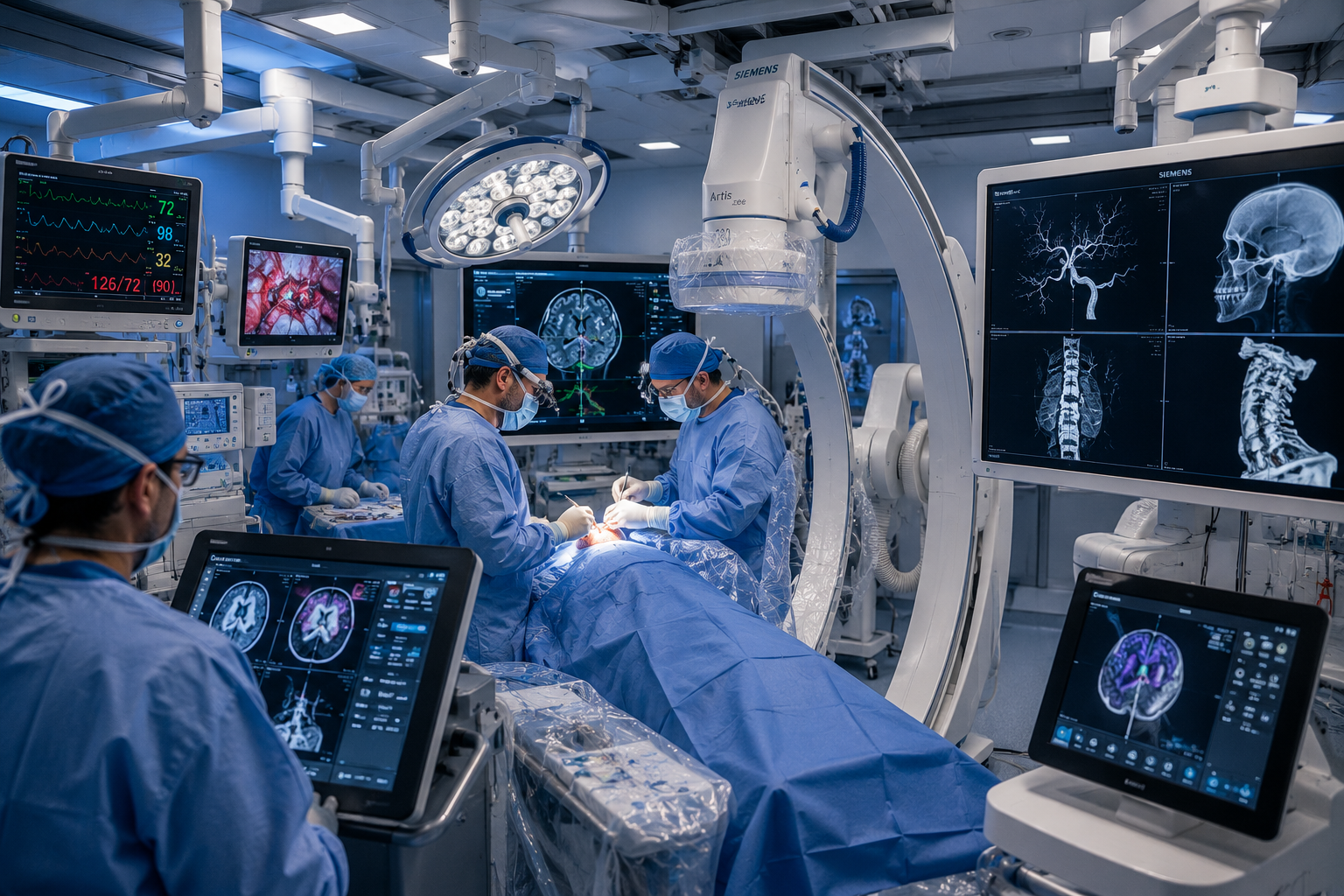
Advanced neurosurgical operating rooms may combine neuronavigation, intraoperative CT, surgical microscopy, neuromonitoring and three-dimensional planning within one integrated environment.
These technologies help the surgical team verify anatomical structures, monitor neurological function, confirm implant placement and improve precision during complex procedures.
Request Specialist Review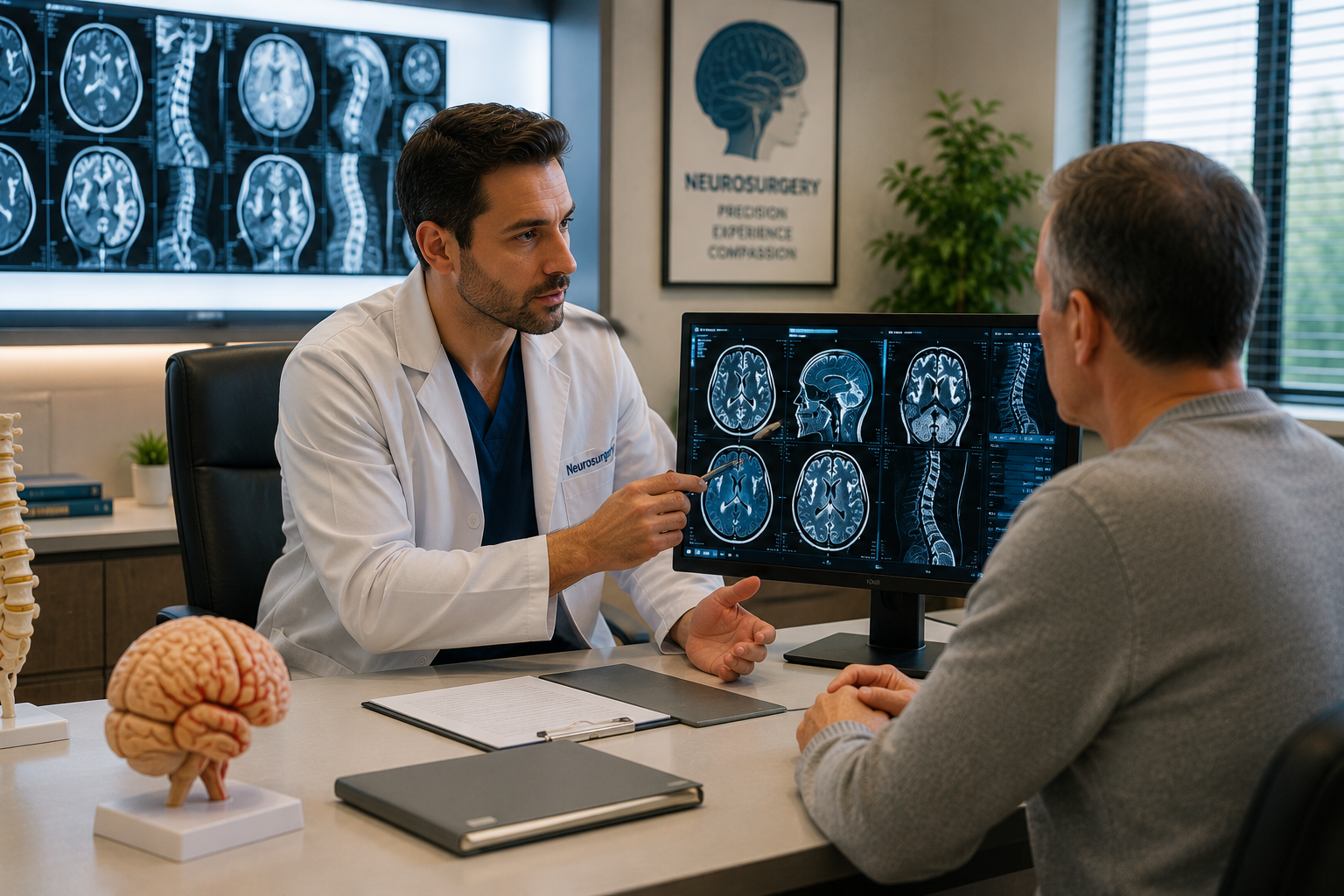
Patients with brain or spinal tumors, persistent neurological symptoms, aneurysms, AVMs, hydrocephalus, drug-resistant epilepsy, movement disorders, severe back or neck pain, weakness, numbness, spinal deformity or spinal cord compression may request evaluation.
Patients who have undergone previous unsuccessful surgery, experienced disease recurrence or need a second surgical opinion may also submit their medical records.
Final recommendations depend on diagnosis, imaging findings, neurological status, previous treatments and the expected benefits and risks of surgery.
Submit Medical ReportsPlease prepare the following documents for a complete neurosurgical evaluation.
Diagnosis, current symptoms, duration of illness, neurological findings, previous treatments and current condition.
Brain or spine MRI and CT reports together with original DICOM image files whenever available.
Catheter angiography, CT angiography or MR angiography for aneurysms, AVMs and other vascular conditions.
Biopsy reports, tumor pathology, molecular tests and previous laboratory results.
Surgical notes, discharge summaries, implant information and postoperative imaging from previous procedures.
EEG, EMG, nerve conduction studies, movement assessments or other available neurological investigations.

Patients can securely submit MRI, CT, angiography, pathology reports and previous treatment records for initial case organization and specialist review.
Our team supports neurosurgical opinion coordination, appointment planning, treatment quotation, travel assistance, interpreter services, hospital arrangements and follow-up communication after the patient returns home.
Request Medical OpinionNot every neurological or spinal condition requires surgery. Depending on the diagnosis, observation, medication, rehabilitation, interventional treatment or radiosurgery may be more appropriate.
The final decision depends on the type and location of the condition, severity of symptoms, neurological status, patient age, general health, previous treatments and expected surgical risks and benefits.
Send your MRI, CT scans and medical reports to receive a specialist evaluation and personalized neurosurgical treatment plan.