Brain Tumors & Metastases
Radiation treatment may be used for primary brain tumors, postoperative treatment, recurrent disease and brain metastases. Suitable patients may receive stereotactic radiosurgery or fractionated precision radiotherapy.

Advanced cancer treatment using CyberKnife robotic radiosurgery, MR-Linac adaptive radiotherapy, Tomotherapy, image-guided techniques, stereotactic radiotherapy and personalized treatment planning.
We help international patients access multidisciplinary cancer evaluation, advanced radiotherapy technologies, molecular imaging and individualized radiation treatment planning.
A radiation oncology specialist reviews the diagnosis, pathology, PET/CT, MRI, CT scans, previous surgery, chemotherapy history and previous radiotherapy records before recommending a treatment plan.
Treatment planning determines the target volume, prescribed dose, number of sessions, beam directions and protection limits for nearby organs and healthy tissues.
Imaging before and during treatment helps verify the tumor position, correct daily patient positioning and improve the precision of radiation delivery.
Complex cases may be reviewed by radiation oncologists, medical oncologists, surgeons, radiologists, nuclear medicine physicians, pathologists and medical physicists.
Radiation therapy may be used as a primary treatment, after surgery, together with systemic therapy or to relieve symptoms in advanced disease.
Radiation treatment may be used for primary brain tumors, postoperative treatment, recurrent disease and brain metastases. Suitable patients may receive stereotactic radiosurgery or fractionated precision radiotherapy.
IMRT and image-guided techniques may be used for cancers of the throat, larynx, oral cavity, nasopharynx and other head and neck regions while limiting dose to salivary glands and critical organs.
Radiation therapy may be used for early-stage, locally advanced or metastatic lung cancer. Selected small tumors may be treated with highly focused SBRT over a limited number of sessions.
Radiotherapy is commonly used after breast-conserving surgery and in selected patients after mastectomy to reduce the risk of local recurrence.
Prostate cancer treatment may include conventional radiotherapy, hypofractionated radiotherapy, SBRT or brachytherapy according to stage, risk group, anatomy and previous treatments.
External beam radiotherapy and brachytherapy may be used for cervical, endometrial, vaginal and selected recurrent gynecological cancers.
Radiation therapy may be included in the treatment of rectal, esophageal, pancreatic, liver and selected gastrointestinal tumors, depending on tumor stage and multidisciplinary assessment.
Radiation therapy can reduce pain, control local disease and help relieve pressure on nerves or the spinal cord. Selected lesions may be treated with stereotactic precision techniques.
Radiation may be delivered before surgery, after surgery or intraoperatively in selected sarcoma cases to improve local tumor control.
Children requiring radiotherapy should be treated in specialized centers with careful planning to reduce radiation exposure to developing organs and limit long-term effects.
Selected recurrent tumors may be evaluated for re-irradiation using CyberKnife, SBRT, MR-guided adaptive therapy or other highly conformal techniques.
Short-course radiotherapy may help relieve pain, bleeding, airway obstruction, neurological pressure and other symptoms caused by advanced cancer.
Modern radiation oncology combines advanced imaging, robotic systems, adaptive planning and highly precise radiation delivery.
CyberKnife is a robotic, non-invasive radiosurgery system that delivers highly focused radiation beams from multiple angles. Real-time image guidance and motion tracking help the system adjust treatment according to target movement.
It may be considered for selected brain, spine, lung, liver, pancreatic, prostate, kidney and recurrent tumors.
Typical Program: 3–5 Sessions Estimated Cost: USD 4,000–6,500MR-Linac combines magnetic resonance imaging with a linear accelerator. The system provides enhanced visualization of soft tissues and allows the medical team to adapt the treatment plan according to daily anatomical changes.
It may be useful in selected prostate, pancreatic, liver, rectal, bladder and gynecologic cancers.
Tomotherapy combines image-guided radiation therapy with helical radiation delivery. The treatment machine rotates around the patient while delivering a carefully shaped dose to the target.
It may be used for complex, long or irregularly shaped treatment areas and selected cases requiring highly conformal dose delivery.
Typical Program: 28–35 Sessions Estimated Cost: USD 8,000–13,500Intensity-Modulated Radiation Therapy varies the strength of radiation beams to shape the prescribed dose around the tumor while reducing exposure to nearby healthy organs.
Volumetric Modulated Arc Therapy delivers radiation as the machine rotates around the patient. It can provide conformal dose distribution with efficient treatment delivery.
Image-Guided Radiation Therapy uses imaging immediately before or during treatment to verify the position of the tumor and surrounding organs.
Stereotactic Body Radiation Therapy delivers concentrated radiation to selected tumors outside the brain, generally over fewer treatment sessions than conventional radiotherapy.
Stereotactic Radiosurgery delivers highly precise radiation to small targets in the brain or head without open surgery. It may be used for selected metastases, benign tumors and vascular abnormalities.
Brachytherapy places a radiation source inside or very close to the tumor. It is commonly used in selected prostate, cervical, endometrial and vaginal cancers.
Adaptive radiotherapy allows the treatment plan to be modified when tumor size, patient weight or the position of nearby organs changes during the treatment period.
IORT delivers a concentrated radiation dose directly to the tumor bed during surgery. This allows nearby healthy structures to be moved or protected before treatment is delivered.
It may be considered in selected breast, pancreatic, rectal, sarcoma and locally recurrent tumors.
Medical physicists verify treatment plans, machine performance, dose calculations and safety procedures before and during the treatment course.
Accurate imaging is essential for staging, target definition and personalized radiation treatment planning.
PSMA PET/CT is an advanced molecular imaging method used in selected prostate cancer patients. It can help identify disease in the prostate bed, lymph nodes, bones and other organs.
It may be useful for initial staging, evaluation of rising PSA, identification of recurrent disease and radiotherapy target planning.
PET/CT combines metabolic and anatomical information to help identify active tumor tissue, evaluate disease spread and define radiation treatment areas in selected cancer types.
MRI provides detailed soft-tissue imaging and may be fused with planning CT images to improve target definition in brain, prostate, rectal, liver, pancreatic, gynecologic and spinal tumors.
CT simulation is performed with the patient positioned exactly as they will be during treatment. Customized immobilization devices may be used to help reproduce the same position each day.
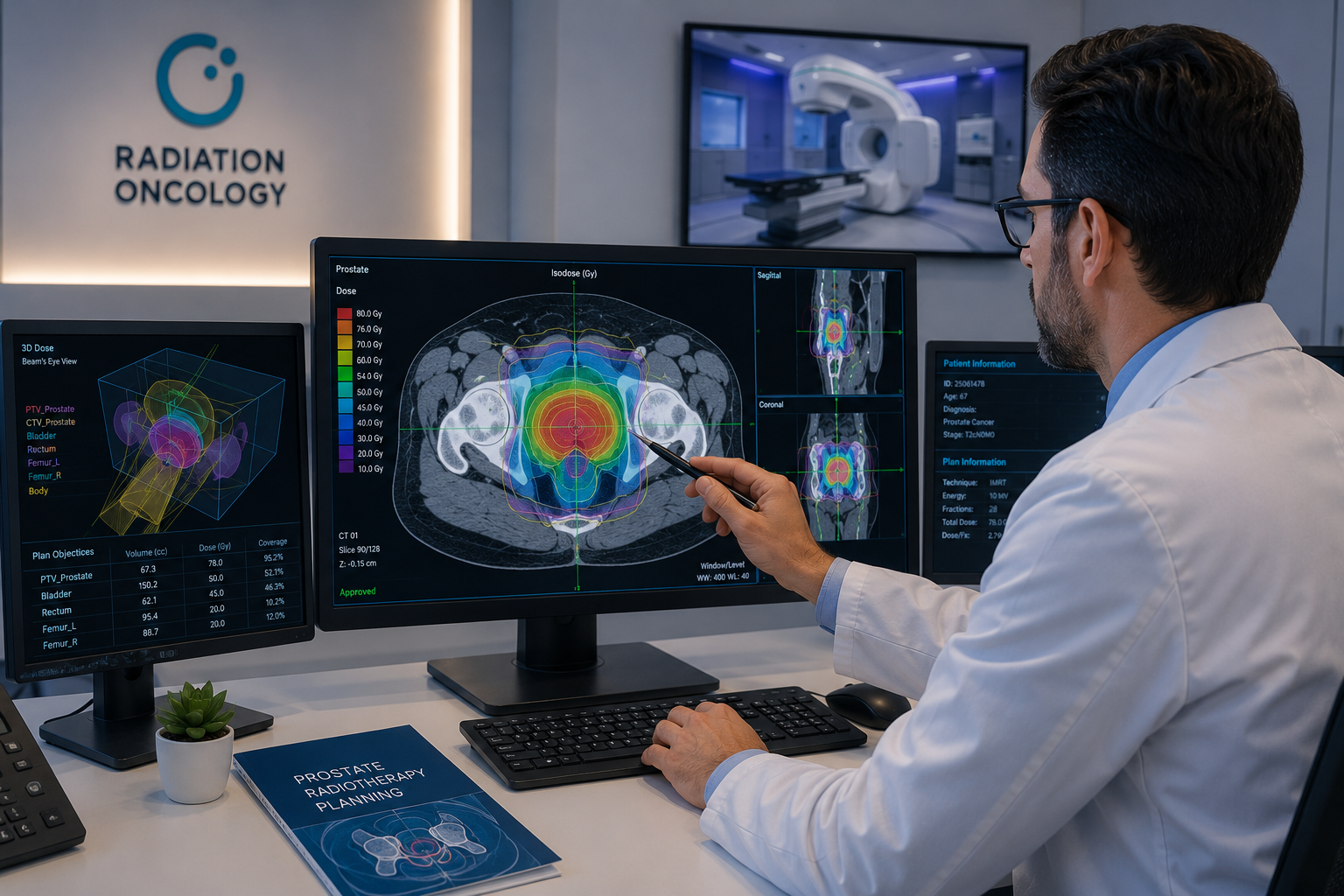
Modern prostate radiotherapy aims to deliver an effective dose to the prostate while reducing unnecessary radiation exposure to the bladder, rectum and surrounding tissues.
Protection strategies may include daily image guidance, bladder preparation protocols, customized immobilization, adaptive planning and carefully designed treatment fields.
In selected patients, a temporary rectal spacer or protective device may be placed between the prostate and rectum to increase the distance between these structures and reduce the dose received by the rectum.
The suitability of any spacer, plaque, shielding method or organ-protection technique must be determined individually by the radiation oncology and urology teams.
The following price ranges are general estimates. Final treatment cost depends on diagnosis, treatment technique, number of sessions, planning complexity and additional medical services.
A stereotactic treatment program generally delivered over approximately three to five sessions, depending on the diagnosis and medical treatment plan.
Number of Sessions: 3–5 Estimated Cost: USD 4,000–6,500Conventional or advanced external beam radiotherapy may be delivered using IMRT, VMAT, IGRT or another appropriate treatment technique.
Number of Sessions: 28–35 Estimated Cost: USD 8,000–13,500Image-guided helical radiotherapy for selected complex tumors, long treatment fields or cases requiring highly conformal radiation dose distribution.
Number of Sessions: 28–35 Estimated Cost: USD 8,000–13,500The final quotation may be affected by the number of treated lesions, imaging requirements, immobilization devices, adaptive planning, previous radiotherapy, hospital services and additional medical evaluations.
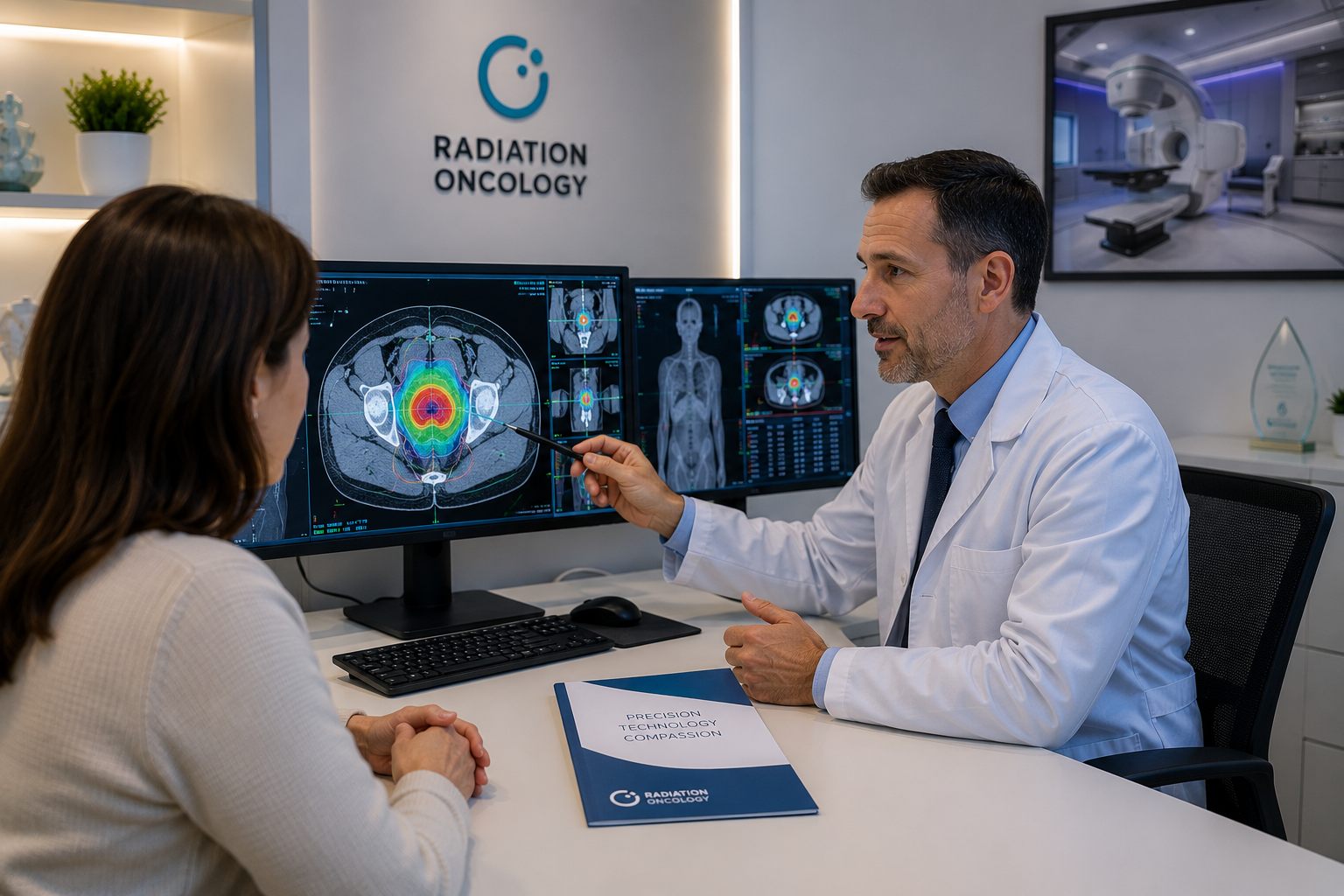
Patients with a confirmed cancer diagnosis, tumors requiring postoperative treatment, medically inoperable tumors, recurrent cancer, brain or bone metastases, or symptoms requiring palliative radiotherapy may apply for specialist review.
Patients seeking a second opinion about a proposed radiotherapy plan, CyberKnife suitability, MR-Linac treatment or re-irradiation may also submit their records for evaluation.
Submit Medical ReportsPlease prepare the following documents for radiation oncology evaluation.
Diagnosis, symptoms, disease stage, previous treatments and current medical condition.
Biopsy, surgical pathology, molecular testing and tumor marker results when available.
PET/CT, PSMA PET/CT, MRI, CT and other radiology reports with original imaging files.
Treatment dates, delivered dose, number of fractions, treatment areas and dose distribution files if available.
Previous surgery notes, discharge summaries and postoperative medical records.
Chemotherapy, immunotherapy, hormonal therapy, targeted therapy and current medication details.

Patients can securely submit pathology reports, imaging files, previous treatment records and medical summaries for case organization and radiation oncology specialist review.
Our team supports medical opinion coordination, treatment scheduling, travel planning, interpreter services, hospital arrangements and follow-up communication after treatment.
Request Medical OpinionThe suitability, duration and cost of radiation treatment vary according to tumor type, location, size, stage, previous treatments, general health and proximity to sensitive organs.
The prices shown on this page are estimated ranges and do not represent a final quotation. The final treatment plan and cost can only be confirmed after complete specialist evaluation and treatment planning.
Send your medical reports and receive a personalized radiation treatment plan from experienced oncology specialists.