🤍
Infertility
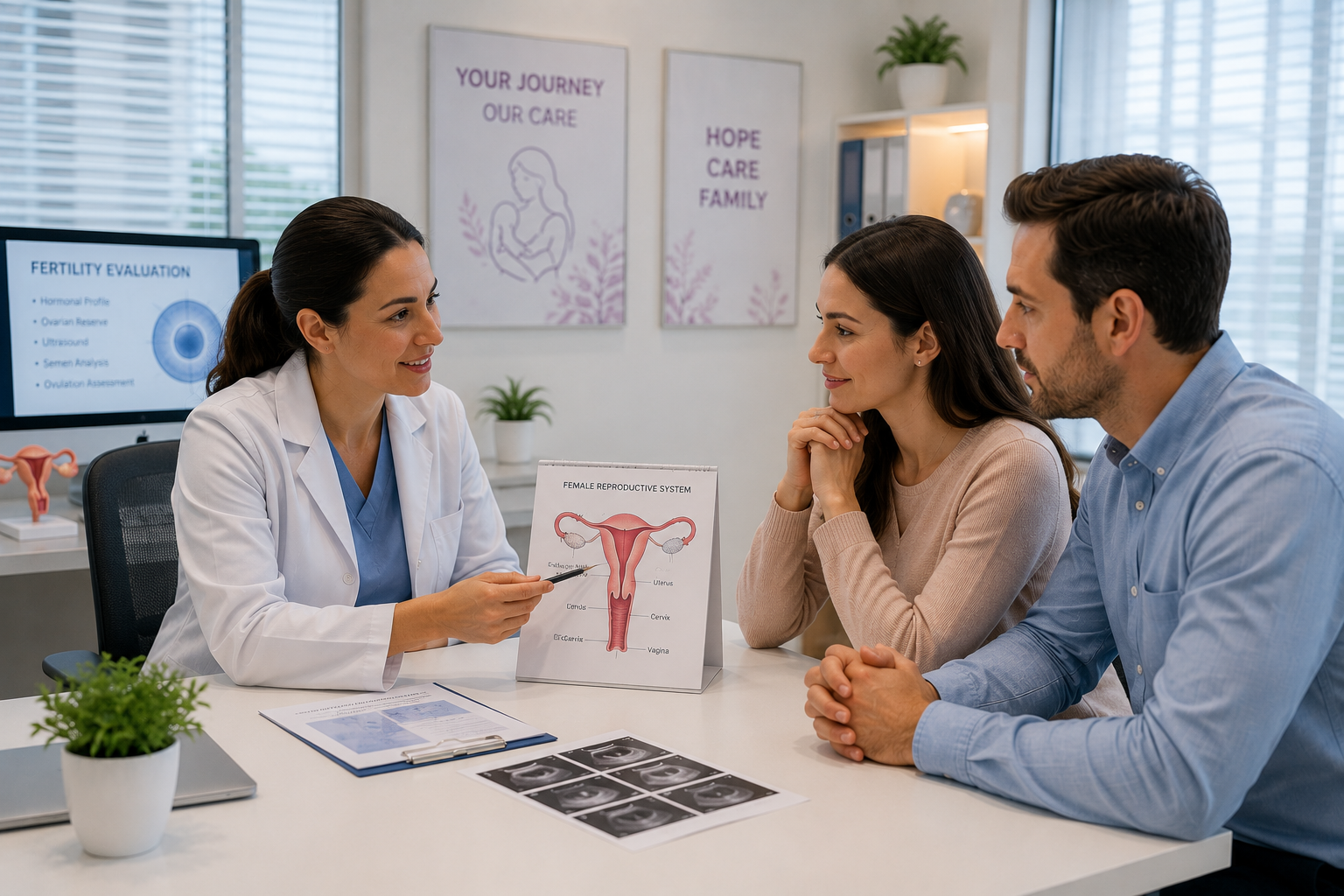
Infertility may result from female factors, male factors,
combined causes or unexplained conditions. Evaluation may include
hormonal tests, ovarian reserve assessment, ultrasound, tubal
evaluation, semen analysis and genetic investigations when necessary.
🌺
Polycystic Ovary Syndrome
PCOS may cause irregular menstrual cycles, hormonal imbalance,
excess androgen production, acne, weight-related difficulties
and ovulation problems. Treatment may include lifestyle support,
medication, ovulation induction and fertility treatment.
🌼
Endometriosis
Endometriosis occurs when tissue similar to the uterine lining
develops outside the uterus. It may cause chronic pelvic pain,
painful periods, painful intercourse and infertility.
Treatment may include medication or laparoscopic surgery.
🩺
Uterine Fibroids
Fibroids are non-cancerous uterine growths that may cause heavy
bleeding, pelvic pressure, pain, recurrent pregnancy loss or
infertility. Treatment depends on their number, size, location,
symptoms and future pregnancy plans.
🥚
Ovarian Cysts
Many ovarian cysts are benign and may disappear without treatment,
while others require monitoring, hormonal evaluation or minimally
invasive surgery. Ultrasound and laboratory testing help determine
the appropriate management plan.
🕊️
Recurrent Pregnancy Loss
Repeated miscarriage may require evaluation of genetic factors,
uterine anatomy, hormonal disorders, blood clotting conditions,
autoimmune diseases and other potential causes affecting pregnancy.
📅
Menstrual Disorders
Irregular cycles, heavy menstrual bleeding, painful periods
and absent menstruation may be associated with hormonal disorders,
uterine abnormalities, ovarian conditions or endocrine disease.
🧬
Female Hormonal Disorders
Hormonal conditions such as premature ovarian insufficiency,
thyroid-related reproductive problems and menopause symptoms
may affect fertility, menstrual cycles and quality of life.
🩻
Tubal Factor Infertility
Blocked or damaged fallopian tubes may prevent natural fertilization.
Evaluation can include hysterosalpingography, ultrasound or
laparoscopy, while treatment may involve surgery or IVF.
👨
Male Factor Infertility
Male infertility may result from reduced sperm count,
poor sperm movement, abnormal sperm shape, hormonal disorders,
genetic conditions, varicocele or obstruction of the reproductive tract.
❄️
Fertility Preservation
Egg freezing, sperm freezing and embryo cryopreservation may
help preserve fertility before cancer treatment, reproductive surgery,
age-related decline or delayed family planning.
🔬
Gynecologic Surgery
Minimally invasive surgery may be used for uterine polyps,
fibroids, ovarian cysts, endometriosis, adhesions and congenital
uterine abnormalities affecting fertility or quality of life.