🧠
Stroke Rehabilitation
Stroke may cause weakness on one side of the body, difficulty
walking, poor balance, muscle stiffness and reduced hand function.
Rehabilitation may include movement training, strengthening,
balance exercises, gait rehabilitation, occupational therapy,
speech therapy and management of muscle spasticity.
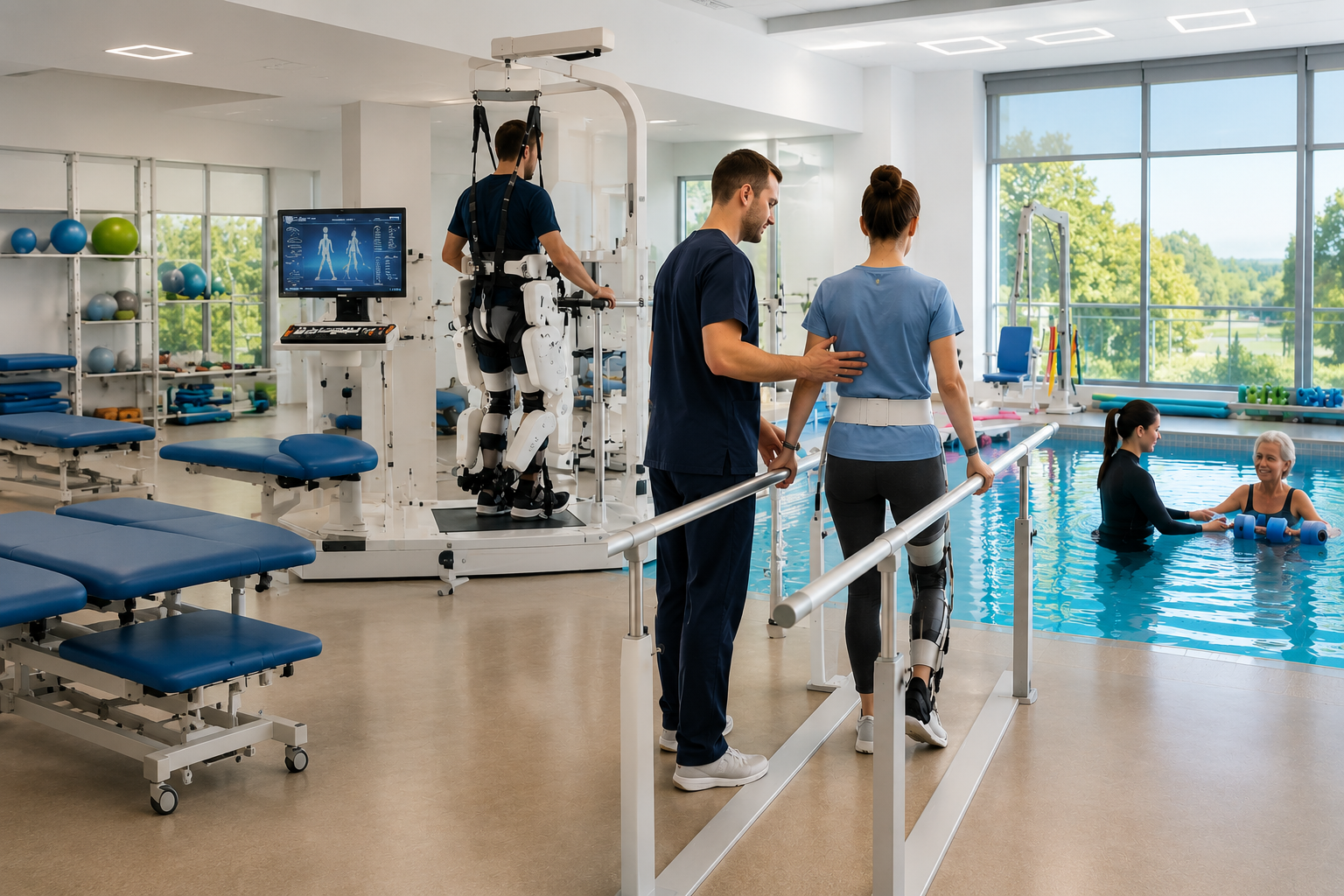
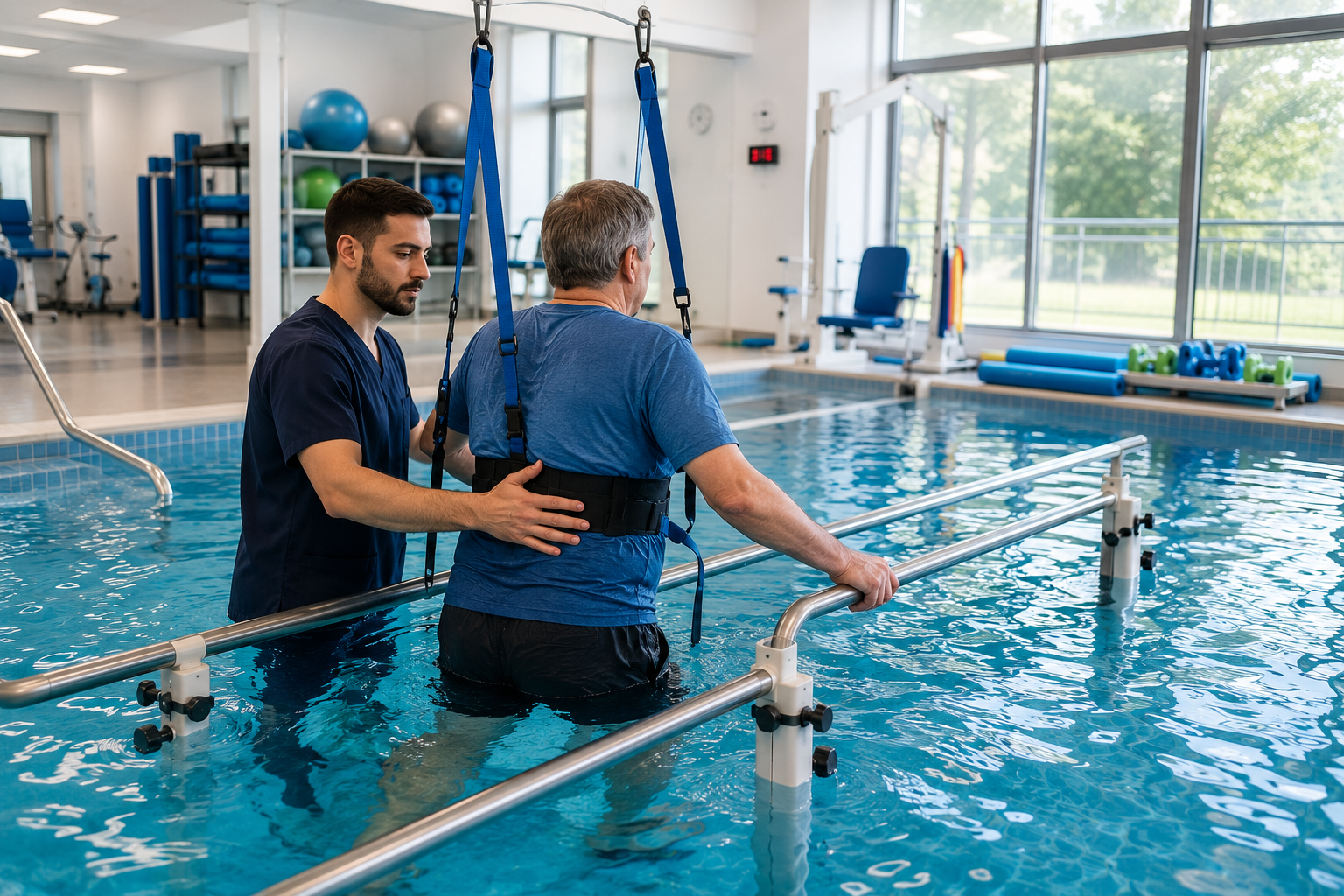
Aquatic therapy and robot-assisted training may be included
for suitable patients as part of the overall rehabilitation plan.
🦽
Spinal Cord Injury
Rehabilitation after spinal cord injury focuses on maximizing
available function, independence, mobility and quality of life.
Programs may include sitting and standing training,
joint protection, wheelchair skills, transfer practice,
strengthening, pressure-injury prevention and walking exercises.
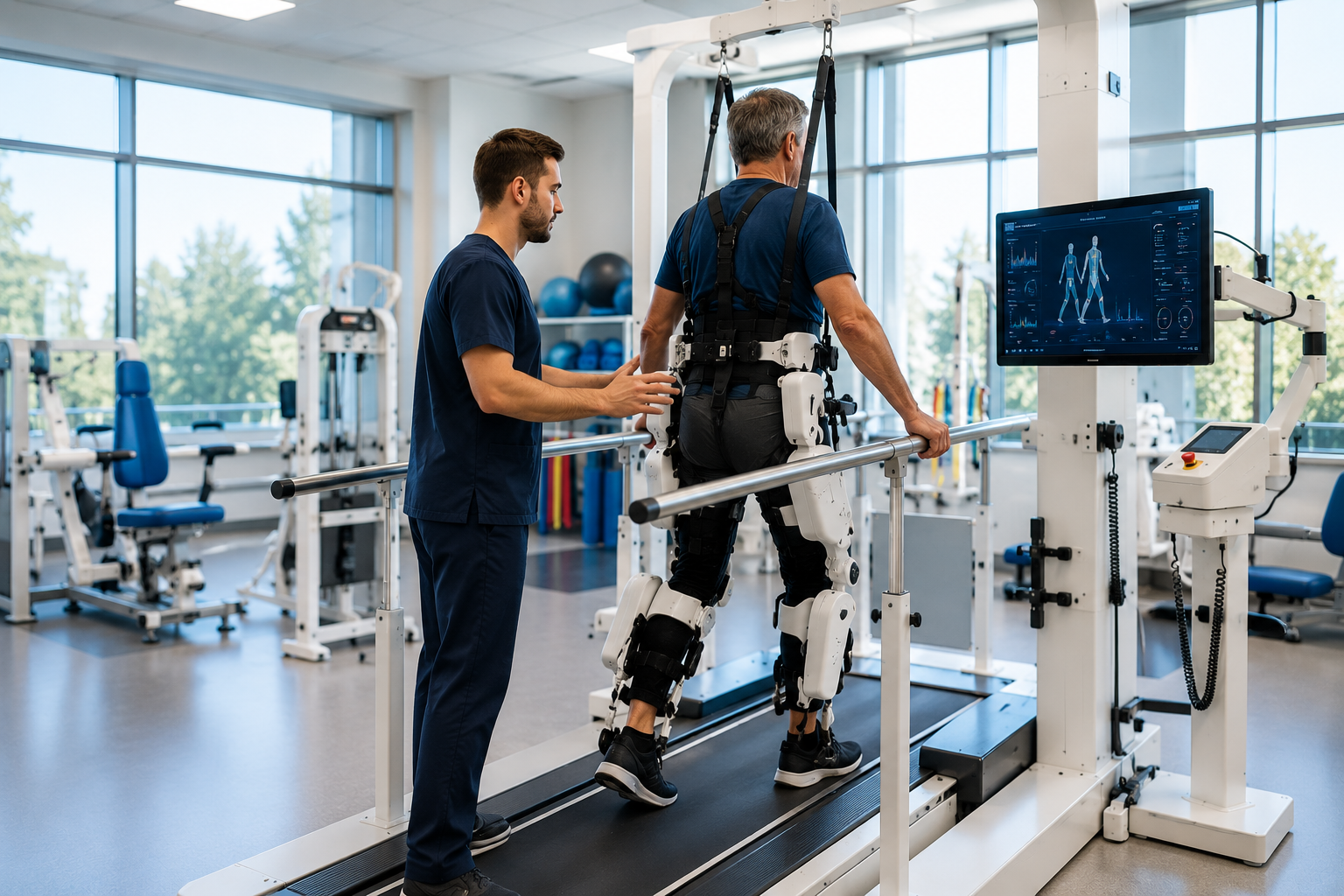
Some patients may be evaluated for robotic gait systems,
body-weight support or powered exoskeleton training.
🧩
Traumatic Brain Injury
Brain injuries can affect movement, balance, memory,
concentration, speech, behavior and the ability to perform
daily activities independently.
Rehabilitation may combine physical therapy, cognitive training,
occupational therapy, speech therapy, psychological support
and family education.
The program is adjusted according to the patient’s level of
awareness, communication and functional ability.
🧬
Multiple Sclerosis
Multiple sclerosis may lead to fatigue, muscle weakness,
poor balance, stiffness, walking difficulties and reduced
hand coordination.
Rehabilitation focuses on preserving mobility, improving strength,
managing fatigue and supporting independence in daily activities.
Aquatic exercise may be useful for selected patients who have
difficulty performing exercises on land.
🚶
Parkinson’s Disease
Parkinson’s disease may affect posture, walking speed,
step length, balance, turning and the ability to begin movement.
Rehabilitation may include large-amplitude movement exercises,
gait and balance training, flexibility work, voice therapy
and fall-prevention strategies.
The program aims to preserve mobility and daily independence
for as long as possible.
👶
Cerebral Palsy
Rehabilitation programs for cerebral palsy are based on age,
movement pattern, muscle tone, joint condition and functional goals.
Treatment may involve physical therapy, occupational therapy,
balance work, aquatic therapy, assistive devices and management
of muscle stiffness.
Families receive practical training to support positioning,
movement and daily care at home.
🦴
Orthopedic Rehabilitation
Orthopedic rehabilitation supports recovery after joint replacement,
fractures, ligament repair, tendon surgery and complex limb operations.
Treatment may include pain control, joint-mobility exercises,
muscle strengthening, walking practice and gradual return
to everyday activities.
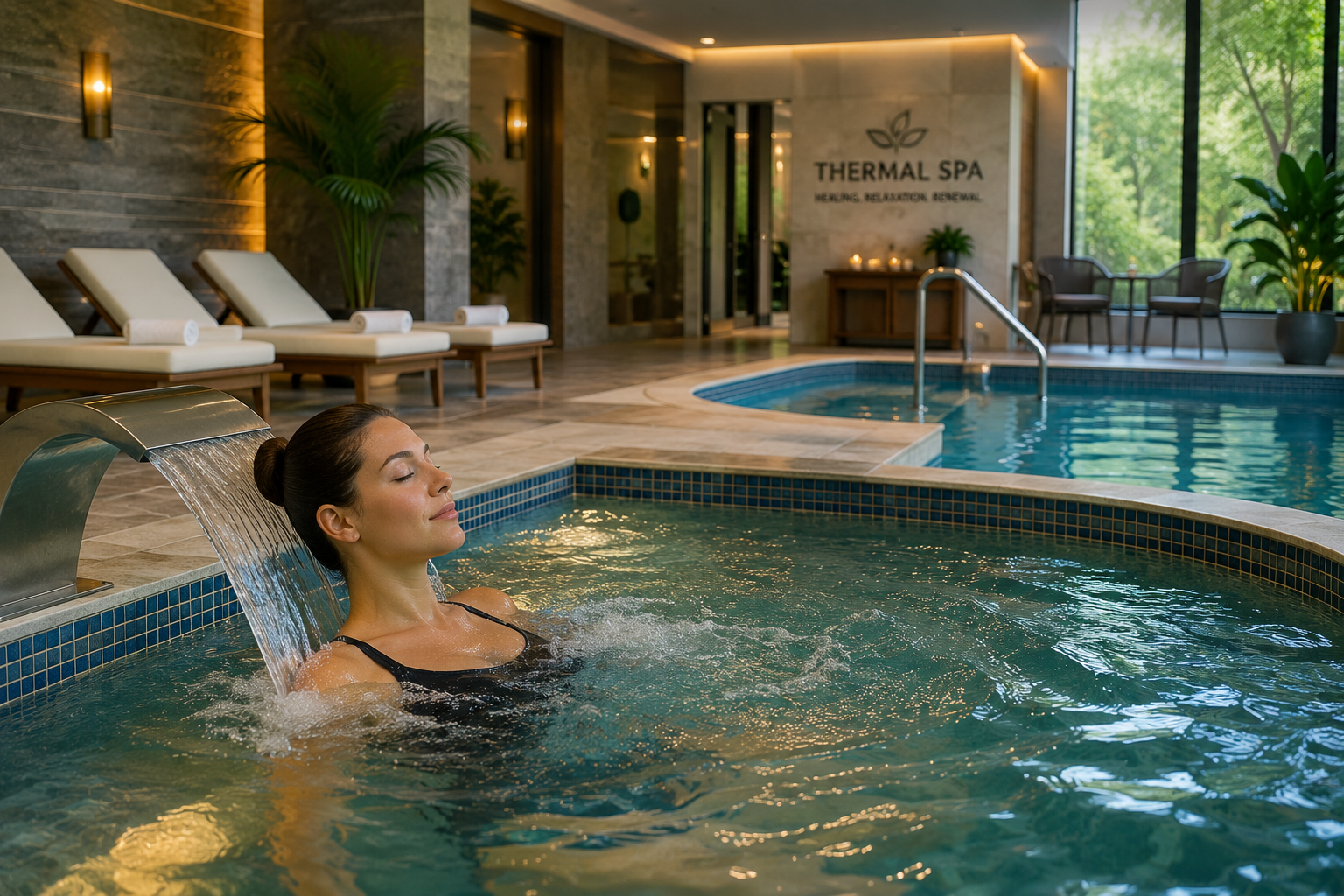
Pool therapy may allow earlier movement with reduced load
on the operated joint in suitable patients.
🦵
Knee & Hip Replacement Recovery
Rehabilitation after knee or hip replacement focuses on
restoring joint movement, strengthening surrounding muscles
and improving safe walking.
Patients are trained in transfers, stair use, walking aids,
home exercises and precautions related to the surgical procedure.
Aquatic rehabilitation may be introduced after appropriate
wound healing and medical approval.
🧍
Spine Rehabilitation
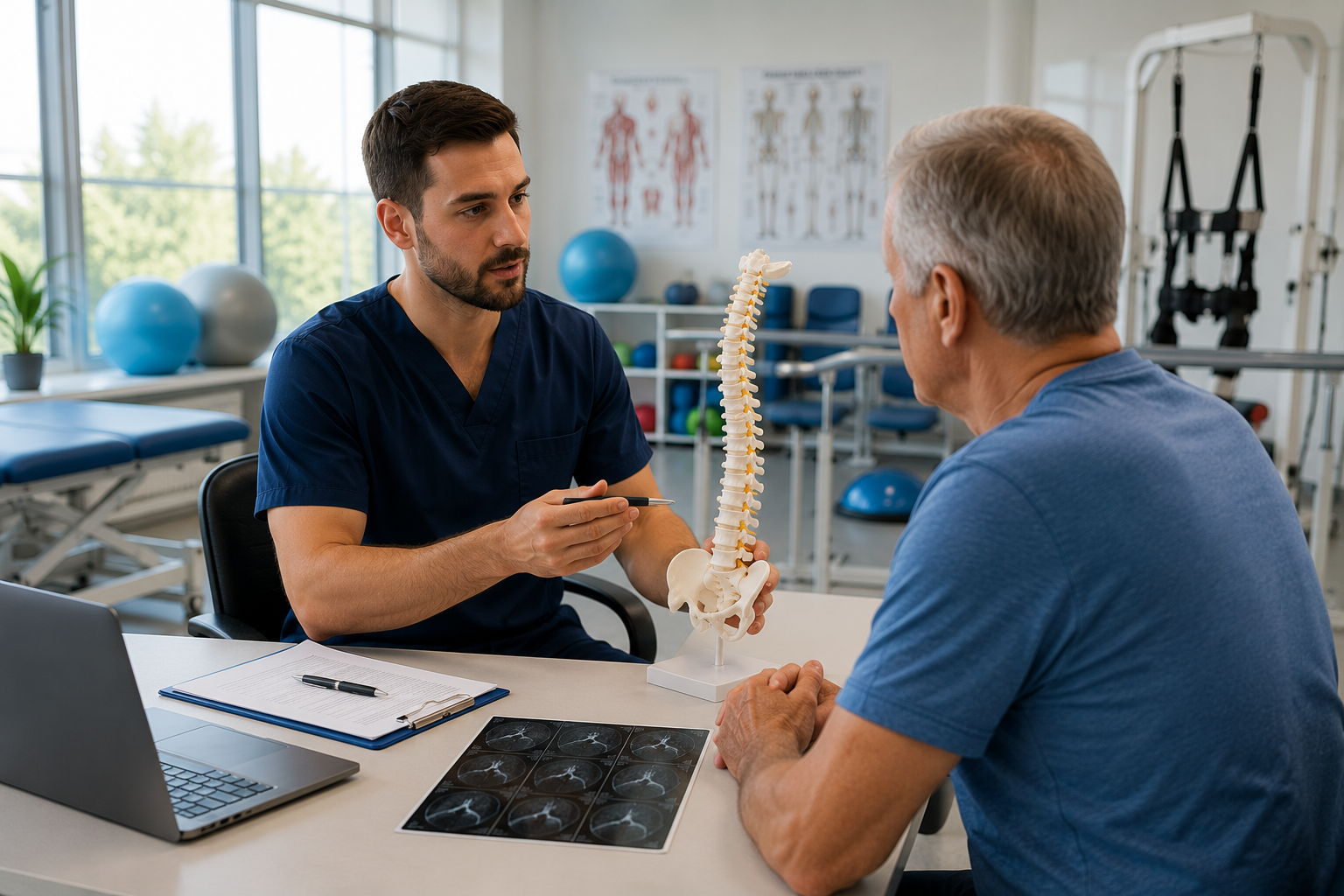
Rehabilitation is available for back and neck pain,
disc disorders, spinal stenosis, posture problems
and recovery after spine surgery.
Programs may include trunk stabilization, posture correction,
flexibility, safe lifting techniques, balance training
and gradual activity progression.
The exercises are selected according to the diagnosis
and any surgical restrictions.
🏃♂️
Sports Injuries
Rehabilitation after sports injuries is designed around
the injured tissue, the patient’s sport and the expected
level of return to activity.
Treatment may include strength, flexibility, balance,
endurance, coordination and sport-specific movement training.
Return-to-sport testing helps determine whether the patient
can safely resume training and competition.
🩻
Rheumatologic Conditions
Patients with arthritis and selected rheumatologic conditions
may experience pain, stiffness, weakness and reduced mobility.
Rehabilitation uses joint-protection strategies, low-impact
exercises, stretching, strengthening and aquatic therapy
according to disease activity.
Treatment is coordinated with rheumatology care when required.
🌿
Chronic Pain
Chronic pain rehabilitation aims to improve movement,
physical tolerance, sleep, daily functioning and confidence.
Programs may combine graded exercise, manual therapy,
relaxation techniques, education, hydrotherapy and psychological
support when appropriate.
Treatment focuses on functional improvement rather than
promising complete or immediate pain elimination.
🎗️
Post-Cancer Rehabilitation
Cancer treatment can lead to fatigue, muscle weakness,
reduced shoulder movement, balance problems, nerve pain
and loss of physical conditioning.
Rehabilitation may support recovery after surgery,
chemotherapy or radiotherapy and help patients return
gradually to daily life.
Lymphedema assessment and specialized treatment may also
be included when required.
👵
Geriatric Rehabilitation
Older adults may require rehabilitation after falls,
fractures, surgery, hospitalization or prolonged inactivity.
Programs focus on strength, balance, walking safety,
independence, endurance and prevention of future falls.
Medical conditions, medication use and cognitive ability
are considered when planning treatment.
🛏️
Rehabilitation After Intensive Care
Prolonged intensive-care treatment can result in severe weakness,
reduced endurance, breathing difficulties and loss of independence.
Rehabilitation may include bed mobility, sitting, standing,
breathing exercises, strengthening and progressive walking.
The pace of recovery is adjusted according to cardiovascular,
respiratory and neurological stability.
⚕️
Neuromuscular Disorders
Neuromuscular diseases may cause progressive weakness,
fatigue and reduced ability to walk or use the arms.
Rehabilitation aims to preserve movement, prevent contractures,
support breathing, select appropriate devices and maintain
daily independence.
Exercise intensity must be carefully adjusted to avoid
unnecessary fatigue or muscle overuse.