WhatsApp Pata Maoni ya Kimatibabu

Ukarabati wa Kimwili, Tiba ya Maji na SPA ya Kimatibabu

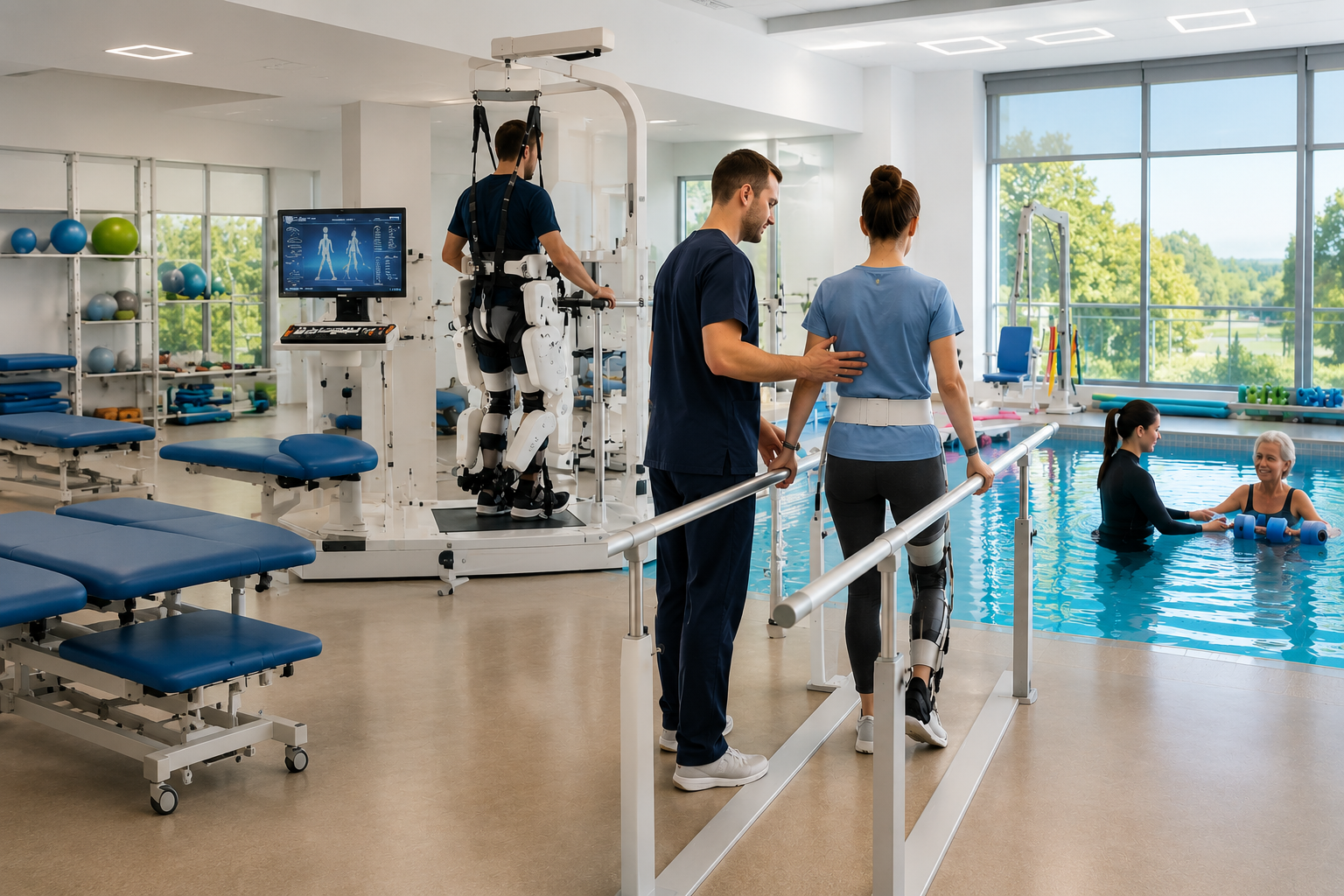
Personalized ukarabati programus combining kimwili tiba, therapeutic mazoezi, ya majini ukarabati, ya joto-maji applications, robot-assisted mafunzo and kimatibabuly supervised kupona services.

Ukarabati Kamili wa Kimwili

Ukarabati programus are designed according to the mgonjwa diagnosis, utendajial condition, uhamaji level, kimatibabu history and personal kupona goals.

👨‍⚕️

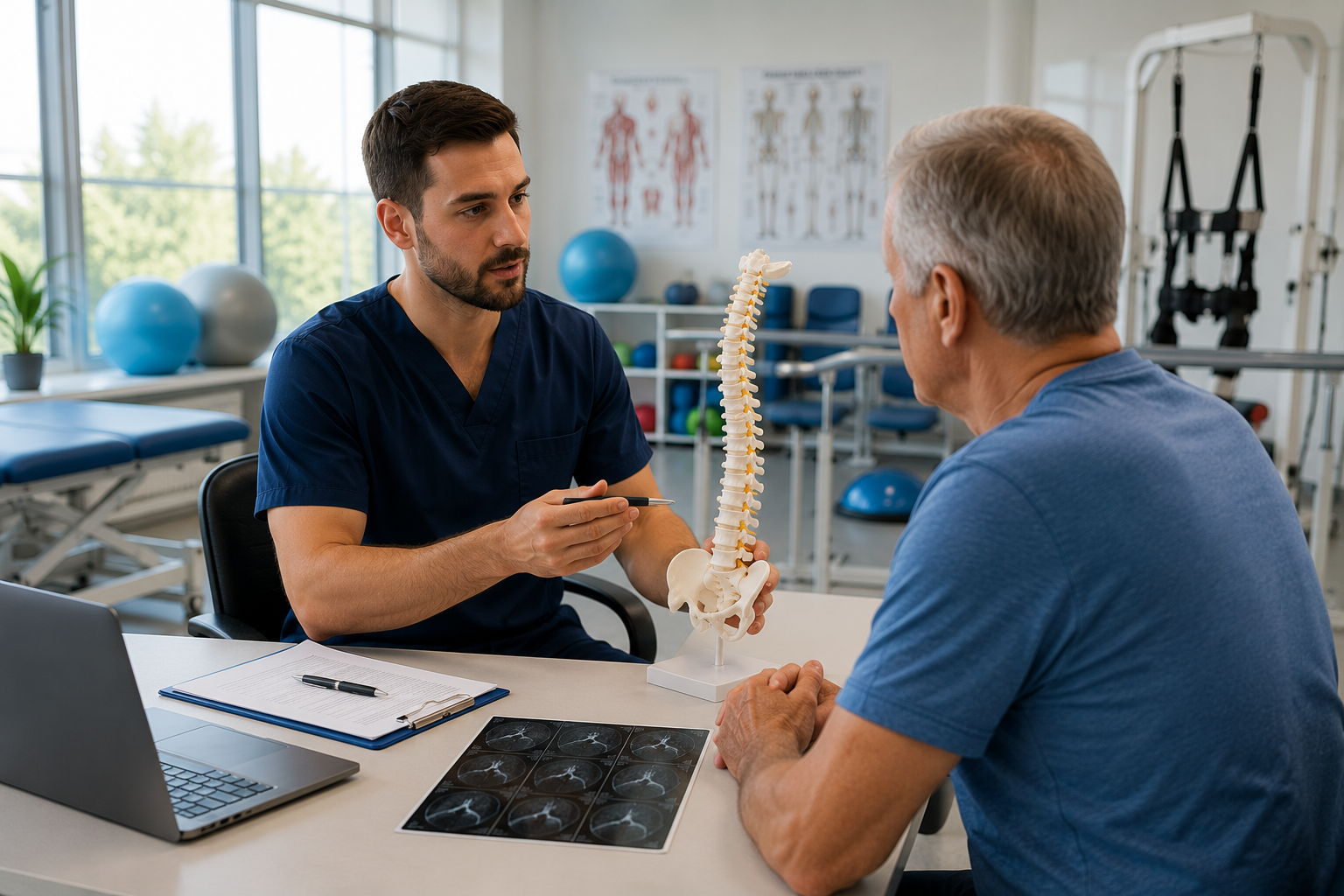
Tathmini ya Tiba ya Kimwili

Every programu begins with a comprehensive tathmini by a kimwili medicine and ukarabati mtaalamu.

The tathmini may include misuli nguvu, kiungo uhamaji, mizani, coordination, kutembea ability, maumivu level, kineva findings, previous surgery and the mgonjwa ability to perform shughuli za kila siku.

A personalized ukarabati plan is then developed according to the mgonjwa kimatibabu needs, abilities and realistic utendajial goals.

🏃

Tiba Binafsi ya Kimwili

One-to-one kimwili tiba sessions focus on restoring harakati, improving misuli nguvu, increasing flexibility and reducing stiffness or kimwili limitations.

Matibabu may include therapeutic mazoezi, uhamaji mafunzo, mizani work, posture correction, stretching, nguvuening and progressive kutembea practice.

The intensity of matibabu is adjusted according to the mgonjwa tolerance, usalama and ukarabati progress.

👐

Tiba ya Shughuli za Kila Siku

Occupational tiba helps wagonjwa regain the practical skills needed for independent daily life.

Training may include dressing, personal hygiene, eating, writing, using the hands, transferring between bed and chair, performing household activities and returning to school or work.

The therapist may also recommend adaptive equipment or changes to the mgonjwa home and working environment.

👥

Ukarabati wa Taaluma Nyingi

Complex ukarabati programus may involve physicians, kimwili therapists, occupational therapists, speech therapists, ukarabati nurses, psychologists and nutrition mtaalamus.

Neurologists, orthopedic surgeons, maumivu mtaalamus and prosthetic or assistive-device technicians may also participate when required.

The team reviews progress regularly and updates the programu according to measurable utendajial improvements.

🚶

Mafunzo ya Kutembea na Uhamaji

Gait ukarabati focuses on improving standing, mizani, weight transfer, step length, kutembea speed and endurance.

Training may be performed with parallel bars, walkers, crutches, body-weight-msaada systems, ya majini tiba or ya roboti kutembea devices.

The goal is to help each mgonjwa reach the safest and highest possible level of uhamaji.

⚖️

Mizani na Kuzuia Kuanguka

Balance mafunzo is designed for wagonjwa with kineva, orthopedic or age-related kutembea difficulties.

Sessions may include standing mazoezis, directional changes, obstacle practice, stair mafunzo, reaction mazoezis and safe use of kutembea aids.

Wagonjwa and families may also receive guidance about reducing fall hataris within the home environment.

🗣️

Tiba ya Hotuba na Kumeza

Some kineva conditions can affect speech, language, voice, communication and swallowing.

Specialized tiba may help wagonjwa improve communication, nguvuen swallowing usalama, manage voice changes and reduce the hatari of aspiration during eating.

Alternative communication tools may be considered when spoken communication remains limited.

🛠️

Vifaa Saidizi na Orthotiki

Wagonjwa may be assessed for braces, splints, kutembea aids, wheelchairs, seating systems and other msaadaive devices.

Correctly selected equipment can improve usalama, alignment, uhamaji, kujitegemea and participation in everyday activities.

Devices are selected according to the mgonjwa nguvu, kiungo position, kineva utendaji and ukarabati goals.

Hali Tunazotibu

Our ukarabati programus msaada wagonjwa with kineva, orthopedic, postoperative and chronic musculoskeletal conditions.

🧠

Ukarabati Baada ya Kiharusi

Stroke may cause weakness on one side of the body, difficulty kutembea, poor mizani, misuli stiffness and reduced hand utendaji.

Ukarabati may include harakati mafunzo, nguvuening, mizani mazoezis, gait ukarabati, occupational tiba, speech tiba and management of misuli spasticity.

Ya Majini tiba and robot-assisted mafunzo may be included for suitable wagonjwa as part of the overall ukarabati plan.

🦽

Jeraha la Uti wa Mgongo

Ukarabati after spinal cord injury focuses on maximizing available utendaji, kujitegemea, uhamaji and quality of life.

Programs may include sitting and standing mafunzo, kiungo protection, wheelchair skills, transfer practice, nguvuening, pressure-injury prevention and kutembea mazoezis.

Some wagonjwa may be evaluated for ya roboti gait systems, body-weight msaada or powered exoskeleton mafunzo.

🧩

Jeraha la Ubongo la Kiwewe

Brain injuries can affect harakati, mizani, memory, concentration, speech, behavior and the ability to perform shughuli za kila siku independently.

Ukarabati may combine kimwili tiba, cognitive mafunzo, occupational tiba, speech tiba, psychological msaada and family education.

The programu is adjusted according to the mgonjwa level of awareness, communication and utendajial ability.

🧬

Multiple Sclerosis

Multiple sclerosis may lead to fatigue, misuli weakness, poor mizani, stiffness, kutembea difficulties and reduced hand coordination.

Ukarabati focuses on preserving uhamaji, improving nguvu, managing fatigue and msaadaing kujitegemea in shughuli za kila siku.

Ya Majini mazoezi may be useful for selected wagonjwa who have difficulty performing mazoezis on land.

🚶

Ugonjwa wa Parkinson

Parkinson’s disease may affect posture, kutembea speed, step length, mizani, turning and the ability to begin harakati.

Ukarabati may include large-amplitude harakati mazoezis, gait and mizani mafunzo, flexibility work, voice tiba and fall-prevention strategies.

The programu aims to preserve uhamaji and daily kujitegemea for as long as possible.

👶

Cerebral Palsy

Ukarabati programus for cerebral palsy are based on age, harakati pattern, misuli tone, kiungo condition and utendajial goals.

Matibabu may involve kimwili tiba, occupational tiba, mizani work, ya majini tiba, assistive devices and management of misuli stiffness.

Families receive practical mafunzo to msaada positioning, harakati and daily huduma at home.

🦴

Ukarabati wa Mifupa

Orthopedic ukarabati msaadas kupona after kiungo replacement, fractures, ligament repair, tendon surgery and complex limb operations.

Matibabu may include maumivu control, kiungo-uhamaji mazoezis, misuli nguvuening, kutembea practice and gradual return to everyday activities.

Pool tiba may allow earlier harakati with reduced load on the operated kiungo in suitable wagonjwa.

🦵

Ukarabati Baada ya Kubadilisha Goti na Nyonga

Ukarabati after knee or hip replacement focuses on restoring kiungo harakati, nguvuening surrounding misulis and improving safe kutembea.

Wagonjwa are trained in transfers, stair use, kutembea aids, home mazoezis and precautions related to the surgical procedure.

Ya Majini ukarabati may be introduced after appropriate wound healing and kimatibabu approval.

🧍

Ukarabati wa Mgongo

Ukarabati is available for back and neck maumivu, disc disorders, spinal stenosis, posture problems and kupona after spine surgery.

Programs may include trunk stabilization, posture correction, flexibility, safe lifting techniques, mizani mafunzo and gradual activity progression.

The mazoezis are selected according to the diagnosis and any surgical restrictions.

🏃‍♂️

Majeraha ya Michezo

Ukarabati after sports injuries is designed around the injured tissue, the mgonjwa sport and the expected level of return to activity.

Matibabu may include nguvu, flexibility, mizani, endurance, coordination and sport-specific harakati mafunzo.

Return-to-sport testing helps determine whether the mgonjwa can safely resume mafunzo and competition.

🩻

Magonjwa ya Rheumatolojia

Wagonjwa with arthritis and selected rheumatologic conditions may experience maumivu, stiffness, weakness and reduced uhamaji.

Ukarabati uses kiungo-protection strategies, low-impact mazoezis, stretching, nguvuening and ya majini tiba according to disease activity.

Matibabu is coordinated with rheumatology huduma when required.

🌿

Maumivu ya Muda Mrefu

Chronic maumivu ukarabati aims to improve harakati, kimwili tolerance, sleep, daily utendajiing and confidence.

Programs may combine graded mazoezi, manual tiba, relaxation techniques, education, hydrotiba and psychological msaada when appropriate.

Matibabu focuses on utendajial improvement rather than promising complete or immediate maumivu elimination.

🎗️

Ukarabati Baada ya Saratani

Cancer matibabu can lead to fatigue, misuli weakness, reduced shoulder harakati, mizani problems, nerve maumivu and loss of kimwili conditioning.

Ukarabati may msaada kupona after surgery, chemotiba or radiotiba and help wagonjwa return gradually to daily life.

Lymphedema tathmini and specialized matibabu may also be included when required.

👵

Ukarabati wa Wazee

Older adults may require ukarabati after falls, fractures, surgery, hospitalization or prolonged inactivity.

Programs focus on nguvu, mizani, kutembea usalama, kujitegemea, endurance and prevention of future falls.

Kimatibabu conditions, medication use and cognitive ability are considered when planning matibabu.

🛏️

Ukarabati Baada ya Uangalizi Mahututi

Prolonged intensive-huduma matibabu can result in severe weakness, reduced endurance, breathing difficulties and loss of kujitegemea.

Ukarabati may include bed uhamaji, sitting, standing, breathing mazoezis, nguvuening and progressive kutembea.

The pace of kupona is adjusted according to cardiovascular, respiratory and kineva stability.

⚕️

Magonjwa ya Neva na Misuli

Neuromuscular diseases may cause progressive weakness, fatigue and reduced ability to walk or use the arms.

Ukarabati aims to preserve harakati, prevent contractures, msaada breathing, select appropriate devices and maintain daily kujitegemea.

Exercise intensity must be hudumafully adjusted to avoid unnecessary fatigue or misuli overuse.
Tiba ya Maji na Mabwawa ya Ukarabati

Therapeutic bwawa programus combine the kimwili properties of maji with supervised ukarabati mazoezis to msaada harakati, nguvu, mizani and progressive return to utendajial activity.

🏊

Ukarabati katika Bwawa la Tiba

Ya Majini ukarabati is a structured kimwili tiba programu performed inside a specially designed therapeutic bwawa under professional usimamizi.

The buoyancy of maji reduces the amount of body weight placed on maumivuful or weak kiungos, allowing selected wagonjwa to move more comfortably than they may be able to on land.

Water resistance also provides a controlled environment for nguvuening misulis, improving coordination and gradually increasing kimwili endurance.

🚶‍♂️

Mafunzo ya Kutembea Majini

Undermaji kutembea mazoezis help wagonjwa practice weight transfer, leg harakati, step initiation and mizani with reduced pressure on the lower limbs.

The therapist may guide the mgonjwa through forward kutembea, backward kutembea, side stepping, turning and controlled changes of direction.

This method may msaada the transition from assisted harakati in maji to safer kutembea on land.

🏃

Mashine ya Kutembea Majini

An ya majini treadmill allows wagonjwa to practice kutembea in maji while the speed, maji depth and duration are adjusted according to their ukarabati level.

It may be used to improve step rhythm, kutembea speed, kiungo harakati, lower-limb nguvu and cardiovascular endurance.

The amount of weight msaadaed by the legs changes according to maji depth, allowing gradual progression during kupona.

💪

Mazoezi ya Upinzani Majini

The natural resistance of maji can be used to nguvuen the arms, legs, shoulders, hips and trunk without requiring heavy gym equipment.

Exercise intensity can be adjusted by changing harakati speed, surface area, maji depth or the use of specialized ya majini devices.

These mazoezis may be especially useful for wagonjwa who cannot tolerate full resistance mafunzo on land.

⚖️

Mafunzo ya Mizani Bwawani

The msaadaive environment of maji allows wagonjwa to practice standing, weight shifting and directional control with reduced fear of falling.

Exercises may include standing with different foot positions, reaching, turning, stepping over undermaji obstacles and responding to controlled maji harakati.

Close usimamizi is required for wagonjwa with significant kineva weakness or poor mizani.

🦵

Uhamaji wa Viungo Majini

Warm therapeutic maji may make it easier for selected wagonjwa to perform gentle kiungo harakatis when stiffness or maumivu limits mazoezi on land.

Programs may focus on improving harakati in the knees, hips, shoulders, spine, ankles and other affected kiungos.

The therapist hudumafully controls the harakati range to avoid overloading healing tissues or unstable kiungos.

🦴

Tiba ya Maji Baada ya Upasuaji wa Viungo

Wagonjwa recovering after knee or hip replacement may be considered for ya majini tiba after the surgical wound has healed and the surgeon has approved bwawa participation.

Water-based matibabu may msaada kiungo harakati, misuli activation, mizani and kutembea while reducing the load placed on the new kiungo.

Pool tiba does not replace the land-based ukarabati required for nguvu, stairs and full daily utendaji.

🧠

Ukarabati wa Neva kwa Tiba ya Maji

Selected wagonjwa with stroke, multiple sclerosis, cerebral palsy, spinal cord injury or other kineva conditions may benefit from supervised ya majini mazoezis.

Water may msaada body weight while the mgonjwa practices trunk control, standing, stepping, reaching and coordinated harakati.

The mgonjwa kimatibabu stability, communication ability and usalama in the bwawa must be evaluated before matibabu.

🏋️

Ukarabati wa Michezo Majini

Athletes recovering from lower-limb injuries may use the bwawa for early conditioning before they are ready for full-impact running and sport-specific mafunzo.

Programs may include undermaji kutembea, controlled running, resistance mazoezis, mizani mafunzo and cardiovascular work.

Progression to land mafunzo is based on healing, nguvu, maumivu and sport-specific testing.

❤️

Mafunzo ya Ustahimilivu Majini

Water-based mazoezi can msaada gradual improvement in cardiovascular endurance for selected wagonjwa with reduced uhamaji or kiungo maumivu.

Sessions may include kutembea, arm harakatis, controlled cycling patterns and low-impact continuous mazoezi.

Wagonjwa with moyo, lung or blood-pressure problems require kimatibabu approval before entering an intensive ya majini programu.

🫁

Udhibiti wa Kupumua na Ki kiwiliwili Majini

The pressure of maji around the body can provide resistance during breathing and trunk harakati.

Selected mazoezis may help wagonjwa improve upright posture, controlled breathing, abdominal activation and trunk stability.

Wagonjwa with significant respiratory disease must be evaluated hudumafully before participating in bwawa tiba.

👨‍👩‍👧

Tiba ya Maji kwa Watoto

Children with harakati disorders may participate in hudumafully designed ya majini programus that combine tiba with motivating and age-appropriate activities.

Matibabu may focus on mizani, coordination, kiungo uhamaji, nguvu and confidence in harakati.

A parent or hudumagiver may receive guidance about safe bwawa participation and home activities.

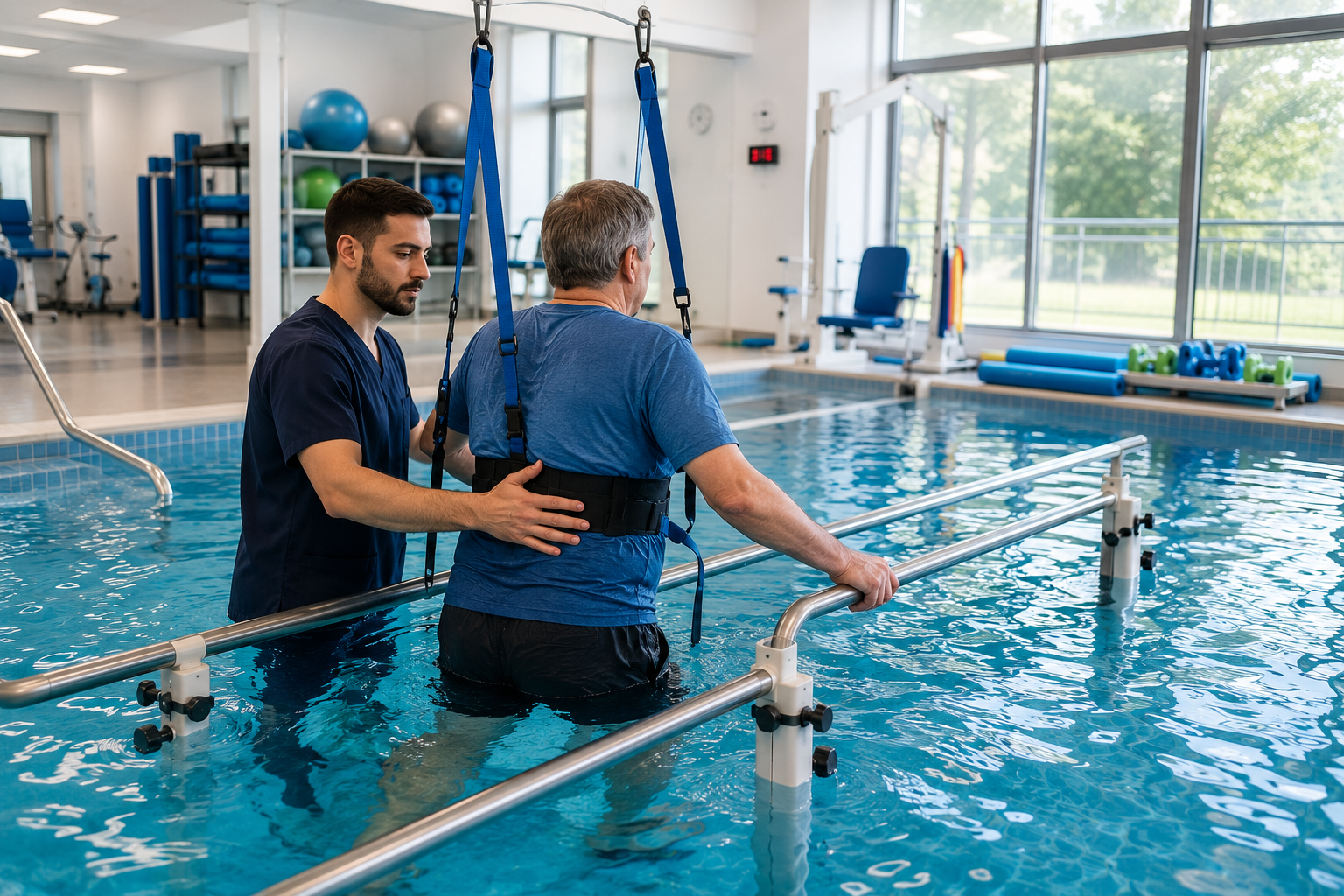
Supervised aquatic physical rehabilitation in a therapeutic pool

Harakati kwa Kupunguza Mzigo kwenye Viungo

Therapeutic bwawas create a msaadaive environment in which selected wagonjwa can practice harakati with reduced loading on maumivuful, weak or recently operated kiungos.

Sessions are supervised by trained ukarabati professionals and may include kutembea, mizani mazoezis, nguvuening, flexibility and utendajial harakati practice.

Ya Majini tiba is most effective when it forms part of a wider ukarabati plan that also includes land-based mazoezi, kimatibabu follow-up and measurable utendajial goals.

Omba Tathmini ya Tiba ya Maji

Programu za Maji ya Joto na Yenye Salfa

Ya Joto-maji and balneotiba services may be included as msaadaive components of selected musculoskeletal, ukarabati and kimatibabuly supervised wellness programus.

♨️

Balneotiba

Balneotiba refers to the structured use of ya joto or mineral-rich maji within a supervised health programu.

Warm maji may help selected wagonjwa relax tense misulis, move stiff kiungos more comfortably and participate in low-impact mazoezis.

It is used as a msaadaive tiba and does not replace kimatibabu diagnosis, medication, surgery or evidence-based kimwili ukarabati.

💧

Maji ya Joto Yenye Salfa

Sulfur-rich maji may be included in selected kimatibabu SPA and ukarabati programus for wagonjwa with suitable musculoskeletal or dermatological conditions.

Matibabu duration, maji temperature and frequency are adjusted according to the mgonjwa age, kimatibabu condition and ngozi tolerance.

No claim of guaranteed healing should be made, and the programu must remain complementary to the mgonjwa principal kimatibabu matibabu.

🌡️

Mazoezi katika Bwawa la Maji ya Joto

Gentle mazoezis may be performed in controlled-temperature ya joto bwawas under professional usimamizi.

Programs may include kutembea, stretching, kiungo uhamaji, mizani mazoezis and relaxation-based harakati.

Excessively hot maji is avoided because it may affect shinikizo la damu, circulation and kimwili tolerance.

🛁

Bafu za Madini za Kitiba

Individual mineral-maji baths may be offered as part of a kimatibabuly supervised relaxation or musculoskeletal programu.

Bath duration and temperature should be selected hudumafully, especially for older adults or wagonjwa with cardiovascular, kineva or metabolic conditions.

Wagonjwa are monitored for dizziness, fatigue, ngozi irritation or intolerance.

🌀

Tiba ya Whirlbwawa

Whirlbwawa systems use moving maji to msaada relaxation, gentle circulation and selected kiungo-uhamaji activities.

They may be included in short msaadaive sessions after kimatibabu tathmini.

Whirlbwawa matibabu is avoided when maambukizi, open majeraha or kimatibabu instability creates a usalama concern.

👐

Mikondo ya Masaji Chini ya Maji

Controlled maji jets may be used to provide gentle stimulation to selected misuli areas during therapeutic bathing.

Pressure and duration must be adjusted to avoid discomfort, bruising or irritation.

Strong jets should not be applied over recent surgical areas, inflamed veins, fragile ngozi or maumivuful acute injuries.

🦴

Msaada wa Ukarabati wa Misuli na Mifupa

Ya Joto-maji applications may help selected wagonjwa participate more comfortably in harakati programus for stiffness, chronic kiungo discomfort or misuli tension.

They are generally combined with therapeutic mazoezi, education and utendajial ukarabati.

Matibabu goals should focus on uhamaji and comfort rather than making unrealistic promises about curing chronic musculoskeletal disease.

🩻

Programu za Msaada wa Rheumatolojia

Selected wagonjwa with stable rheumatologic conditions may participate in gentle ya joto-maji and mazoezi programus.

The activity level must reflect disease activity, inflammation, kiungo stability and the mgonjwa medication plan.

Wagonjwa with an active flare or significant systemic symptoms may need kimatibabu matibabu before entering a ya joto programu.

🌿

Kupumzika na Ukarabati wa Misuli

Warm-maji applications may msaada relaxation and temporary reduction of misuli tension after kimwilily demanding ukarabati sessions.

They may be combined with breathing mazoezis, gentle stretching and guided relaxation.

These services are msaadaive and should not replace the main therapeutic mazoezi programu.

🧴

Tathmini ya Ngozi Kabla ya Matibabu

Wagonjwa should be screened for open majeraha, active ngozi maambukizis, severe irritation and sensitivity before using shared bwawas or mineral baths.

Those with dermatological conditions may require approval from a physician before matibabu begins.

Skin should be reassessed if redness, itching, maumivu or irritation develops during the programu.

❤️

Tathmini ya Usalama wa Moyo na Mishipa

Warm maji can influence shinikizo la damu, circulation and moyo rate.

Wagonjwa with moyo disease, uncontrolled shinikizo la damu, fainting episodes or recent cardiovascular events require kimatibabu approval before ya joto-maji matibabu.

Matibabu may be shortened or avoided when the expected cardiovascular strain is considered unsafe.

🧼

Usafi wa Maji na Udhibiti wa Maambukizi

Therapeutic bwawas, whirlbwawas and hot-maji systems require strict cleaning, filtration, dismaambukizi and routine maji-quality monitoring.

Temperature, disinfectant levels and acidity must remain within safe operational ranges.

Wagonjwa with active maambukizi, diarrhea, uncovered majeraha or contagious ngozi conditions should not enter shared matibabu bwawas.

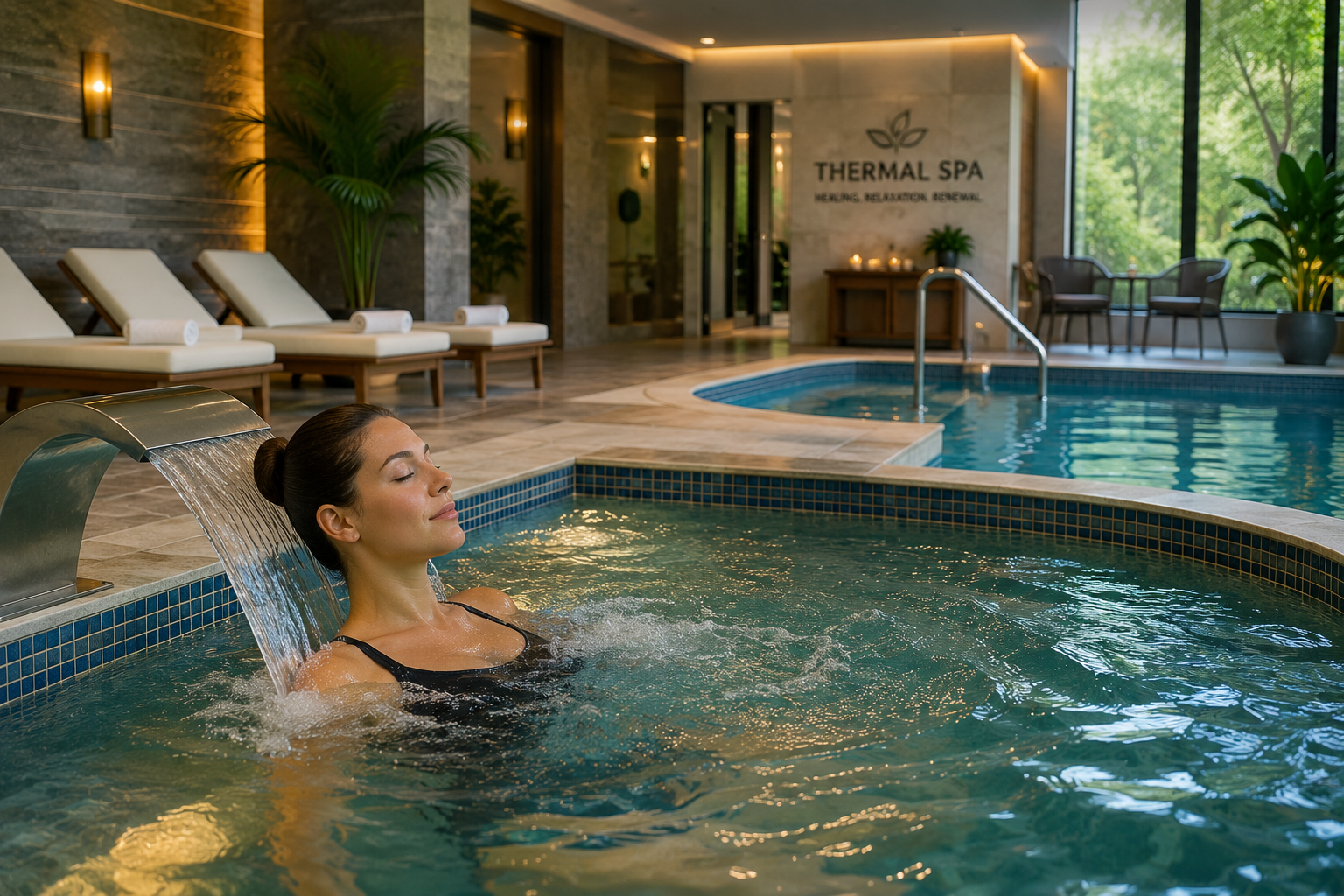
Medically supervised thermal-water and rehabilitation SPA program

Maji ya Joto kama Huduma Saidizi

Ya Joto and sulfur-rich maji applications may msaada relaxation, kiungo harakati and selected ukarabati activities when used within an organized kimatibabu programu.

They should not be presented as a replacement for mtaalamu diagnosis, medication, surgery or structured kimwili tiba.

Every mgonjwa should be evaluated for cardiovascular, kineva, dermatological and maambukizi-related hataris before entering a ya joto bwawa or therapeutic bath.

Omba Tathmini ya SPA ya Kimatibabu

Usalama wa Bwawa na Maji ya Joto

Ya Majini and ya joto programus require kimatibabu screening, professional usimamizi and strict maambukizi-control standards.

🚫

Wakati Tiba ya Bwawa Inaweza Kuahirishwa

Matibabu may be delayed in the presence of open majeraha, active maambukizi, fever, uncontrolled incontinence, contagious ngozi disease or a recently unhealed surgical incision.

❤️

Hali za Moyo na Shinikizo la Damu

Wagonjwa with unstable moyo disease, severe blood-pressure problems, recent cardiovascular events or repeated fainting episodes require mtaalamu approval before entering warm maji.

🫁

Vikwazo vya Kupumua

Severe respiratory difficulty may make entering, exercising in or leaving a bwawa unsafe. Oxygen needs and mazoezi tolerance must be evaluated individually.

Matatizo ya Kifafa Yasiyodhibitiwa

Wagonjwa with poorly controlled seizures require hudumaful hatari tathmini, close usimamizi and an emergency plan before ya majini matibabu is considered.

🦽

Kuingia na Kutoka Bwawani kwa Usalama

Wagonjwa with severe weakness may require ramps, bwawa lifts, msaada rails or assistance from more than one staff member to enter and leave the bwawa safely.

📋

Idhini Binafsi ya Kimatibabu

The decision to begin ya majini or ya joto matibabu is based on diagnosis, wound status, moyo and lung utendaji, ngozi condition, uhamaji level and ability to follow instructions.

Teknolojia za Ukarabati wa Roboti

Robot-assisted ukarabati technologies provide structured, repetitive and measurable mafunzo for selected wagonjwa with kineva, spinal and orthopedic uhamaji disorders.

🤖

Mafunzo ya Kutembea kwa Msaada wa Roboti

Ya Roboti gait systems guide the mgonjwa legs through a controlled kutembea pattern while therapists adjust the amount of assistance, kutembea speed, step length and body-weight msaada.

Repetitive stepping may help selected wagonjwa practice harakati, improve coordination and participate in longer kutembea sessions within a supervised environment.

The technology may be considered after stroke, spinal cord injury, traumatic brain injury and selected kineva conditions.

🦿

Mafunzo kwa Exoskeleton ya Roboti

A ya roboti exoskeleton is a wearable powered device placed around the lower limbs to msaada standing, weight transfer and guided kutembea.

It may help selected wagonjwa practice an upright position, repeat structured steps and improve participation in gait ukarabati.

Exoskeleton mafunzo does not guarantee independent kutembea. Eligibility depends on bone health, kiungo range, body size, cardiovascular stability and ability to follow instructions.

🚶

Mashine ya Kutembea Inayosaidia Uzito wa Mwili

A suspension system reduces part of the mgonjwa body weight while kutembea on a treadmill.

This allows wagonjwa with weakness or mizani problems to practice a larger number of steps with reduced fall hatari and controlled loading.

Therapists may assist leg harakati, posture, foot placement and weight transfer throughout the session.

🦾

Tiba ya Roboti kwa Viungo vya Juu

Ya Roboti devices for the shoulder, elbow and arm provide assisted or active mafunzo according to the mgonjwa nguvu and harakati ability.

Exercises may focus on reaching, lifting, directional control, coordination and repetition of utendajial arm harakatis.

The system can record harakati quality, range and participation to help the ukarabati team monitor progress.

Ukarabati wa Mkono kwa Roboti

Ya Roboti gloves and hand-mafunzo systems may assist opening, closing and controlled harakati of the fingers.

Training may include grasping, releasing, pinching, object manipulation and coordination between the hand and vision.

These devices are used as msaadaive tools alongside occupational tiba and task-based hand mazoezis.

🎮

Ukarabati kwa Uhalisia Pepe

Virtual reality systems use interactive tasks and simulated environments to msaada harakati practice, attention and motivation.

Programs may train mizani, reaching, stepping, coordination, reaction time and selected activities of daily living.

The difficulty level can be adjusted according to the mgonjwa performance and ukarabati goals.

📊

Mafunzo ya Biofeedback

Biofeedback systems provide immediate visual or auditory information about misuli activity, posture, harakati or weight distribution.

Wagonjwa can use this information to understand their harakati, identify asymmetry and make controlled corrections during mazoezi.

Biofeedback may be combined with mizani platforms, misuli sensors and ya roboti equipment.

⚖️

Majukwaa ya Mizani ya Roboti

Interactive mizani platforms measure the distribution of weight beneath the feet and the mgonjwa response to harakati challenges.

Training may include controlled weight shifting, reaching, posture correction and reaction mazoezis.

Safety msaadas are used for wagonjwa who cannot stand independently.

🧠

Uchambuzi wa Harakati za Neva

Motion-analysis technologies can measure step length, kiungo harakati, kutembea speed, symmetry and posture.

This information helps the ukarabati team identify harakati problems and compare performance over the course of matibabu.

The results are interpreted together with clinical examination and utendajial testing.

Msisimko wa Umeme wa Kifendaji

Functional electrical stimulation uses hudumafully controlled electrical impulses to activate selected misulis during harakati.

It may be combined with cycling, kutembea or upper-limb mafunzo in selected wagonjwa with kineva weakness.

It is not suitable for every mgonjwa and requires tathmini of sensation, ngozi condition and implanted kimatibabu devices.

🚲

Tiba ya Kuendesha Baiskeli kwa Roboti

Motor-assisted cycling devices msaada repetitive harakati of the legs or arms while measuring the mgonjwa active participation.

Resistance and assistance can be adjusted according to nguvu, fatigue and ukarabati stage.

Cycling may msaada uhamaji, endurance and misuli activation within a broader ukarabati plan.

📈

Ufuatiliaji wa Kidijitali wa Maendeleo

Ya Roboti systems can record session duration, assistance level, harakati repetitions, kutembea distance and selected performance measures.

These records help the team review progress and adjust the programu according to objective findings.

Device data do not replace kimwili examination or mtaalamu tathmini.

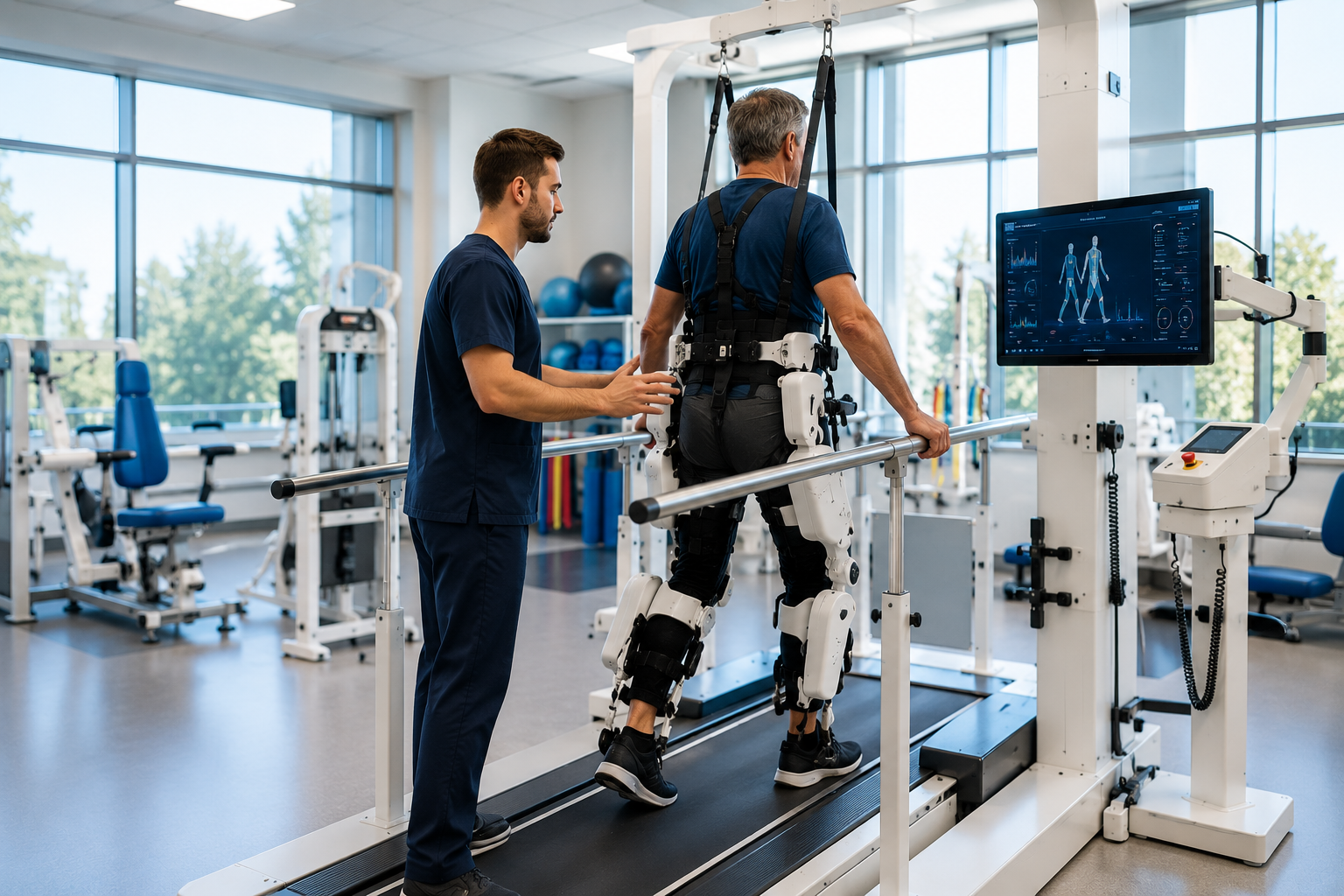
Patient receiving supervised robot-assisted gait rehabilitation

Marudio, Usahihi na Mafunzo Yanayopimika

Ya Roboti ukarabati can provide a large number of controlled harakati repetitions while allowing therapists to adjust assistance according to the mgonjwa abilities.

These systems are most useful when combined with active mgonjwa participation, individual kimwili tiba and utendajial mafunzo.

The ukarabati mtaalamu determines whether ya roboti gait, upper-limb tiba, exoskeleton mafunzo or another technology is appropriate after a complete kimatibabu and utendajial tathmini.

Omba Tathmini ya Ukarabati wa Roboti

Ustahiki wa Ukarabati wa Roboti

Ya Roboti devices require individual screening to ensure that mafunzo is kimatibabuly appropriate and kimwilily safe.

🦴

Uthabiti wa Mifupa na Viungo

Severe osteoporosis, unhealed fractures, unstable kiungos or major contractures may limit the safe use of ya roboti gait systems or powered exoskeletons.

📐

Upeo wa Harakati za Viungo

Adequate hip, knee and ankle harakati may be required for correct positioning inside a ya roboti kutembea device.

❤️

Uvumilivu wa Moyo na Mishipa

Standing and ya roboti kutembea can increase kimwili demand. Wagonjwa with unstable moyo or blood-pressure conditions require kimatibabu clearance.

🧴

Hali Salama ya Ngozi

The ngozi beneath straps and msaadas must be checked to reduce the hatari of pressure, friction and injury.

🧠

Ushiriki wa Kiakili

Wagonjwa generally need sufficient attention, communication and understanding to follow usalama instructions during mafunzo.

⚖️

Ulinganifu wa Urefu na Uzito

Ya Roboti devices have kimwili size and weight limits. Compatibility must be confirmed before the matibabu programu begins.

Ukarabati wa Neva

Kineva ukarabati msaadas kupona and adaptation following conditions that affect the brain, spinal cord, peripheral nerves and harakati control.

🧠

Tathmini ya Ukarabati wa Neva

The team evaluates misuli nguvu, sensation, coordination, mizani, kutembea, hand utendaji, speech, swallowing and kujitegemea in shughuli za kila siku.

The tathmini also considers memory, attention, communication and the mgonjwa ability to participate in tiba.

Matibabu goals are selected according to current utendaji and the expected potential for kupona or adaptation.

🚶

Mafunzo ya Kutembea ya Kineva

Gait mafunzo helps wagonjwa practice standing, weight transfer, step initiation, foot placement and mizani.

Parallel bars, kutembea aids, body-weight-msaada systems, ya majini tiba and ya roboti devices may be used when appropriate.

The objective is to improve safe uhamaji and reduce fall hatari.

🦵

Udhibiti wa Kukakamaa kwa Misuli

Spasticity is abnormal misuli tightness that may limit harakati, cause maumivu or interfere with hygiene and daily huduma.

Management may include stretching, positioning, splints, utendajial mazoezi, medication and selected injection matibabus.

Severe cases may require additional tathmini by neurology, neurosurgery or orthopedic mtaalamus.

Ukarabati wa Mkono na Viungo vya Juu

Tiba focuses on shoulder control, reaching, elbow harakati, hand opening, grasping and object manipulation.

Task-based practice, ya roboti devices, electrical stimulation and occupational tiba may be combined.

Functional goals may include eating, dressing, writing and personal huduma.

⚖️

Mafunzo ya Mizani na Uratibu

Kineva disorders can affect the ability to control posture or respond to changes in the environment.

Training may include standing on different surfaces, reaching, turning, obstacle practice and controlled reactions.

Safety msaadas are used according to the mgonjwa fall hatari.

🗣️

Ukarabati wa Hotuba na Lugha

Speech-language tiba may help wagonjwa with difficulty speaking, understanding language, finding words or communicating clearly.

Tiba is individualized according to whether the problem affects language, speech misulis, voice or cognitive communication.

Digital or alternative communication tools may be introduced for wagonjwa with significant limitations.

🥤

Ukarabati wa Kumeza

Swallowing difficulties may increase the hatari of choking, poor nutrition or food entering the airway.

Assessment may include clinical examination and specialized imaging when required.

Matibabu may involve swallowing mazoezis, positioning, texture modification and safe-feeding education.

🧩

Ukarabati wa Utambuzi

Cognitive ukarabati addresses problems with memory, attention, planning, organization and problem-solving.

Structured activities and compensatory strategies help wagonjwa manage everyday tasks more effectively.

Family members may receive guidance on creating a msaadaive and organized environment.

🪑

Udhibiti wa Kukaa na Ki kiwiliwili

Wagonjwa with severe weakness may begin by learning to maintain head position, sit safely and control trunk harakati.

Tiba may include msaadaed sitting, reaching, weight shifting and preparation for standing.

Improved trunk control msaadas transfers, arm use and participation in shughuli za kila siku.

🔄

Mafunzo ya Kuhama

Transfer mafunzo teaches wagonjwa how to move safely between the bed, chair, toilet, wheelchair and other surfaces.

Techniques are adapted according to nguvu, mizani and whether assistance or equipment is required.

Caregivers may receive practical instruction to reduce injury hatari.

🦽

Uhamaji kwa Kiti cha Magurudumu

Wagonjwa who use a wheelchair may receive mafunzo in propulsion, turning, braking, ramps and safe transfers.

Seating and pressure distribution are assessed to improve comfort and reduce ngozi-injury hatari.

Powered uhamaji may be considered when manual wheelchair use is not practical.

🏠

Mafunzo ya Kujitegemea Nyumbani

Ukarabati includes preparation for real-life activities beyond the tiba room.

Wagonjwa may practice bathing, dressing, kitchen tasks, stair use and moving within a simulated home environment.

Recommendations may include grab bars, ramps, seating adaptations and removal of fall hazards.

🛌

Pressure-Injury Prevention

Wagonjwa with reduced sensation or uhamaji require regular repositioning and ngozi checks.

Education includes pressure relief, suitable mattresses, wheelchair cushions and early recognition of ngozi changes.

Existing majeraha require kimatibabu and nursing management before some ukarabati activities can continue.

🫁

Respiratory Ukarabati

Kineva weakness can affect breathing, coughing and the ability to clear secretions.

Selected wagonjwa may receive breathing mazoezis, assisted coughing techniques and respiratory-misuli mafunzo.

Respiratory stability is monitored during intensive kimwili tiba.

👨‍👩‍👧

Family & Caregiver Training

Family members may learn safe transfers, positioning, mazoezi assistance and use of msaadaive equipment.

Education also addresses fall prevention, ngozi huduma, communication and emergency warning signs.

Caregiver wellbeing and realistic home-huduma planning are important parts of discharge preparation.

📅

Long-Term Kineva Follow-Up

Kineva kupona may continue over an extended period and often requires adjustment of ukarabati goals.

Follow-up evaluates harakati, equipment needs, maumivu, spasticity and ability to participate in daily life.

Home programus and remote follow-up may msaada continuity after the mgonjwa returns home.

Specialized Kineva Programs

Programs are selected according to diagnosis, utendajial ability, kimatibabu stability and the mgonjwa ukarabati goals.

🧠

Intensive Stroke Program

A coordinated programu may combine gait mafunzo, upper-limb ukarabati, speech tiba, swallowing tiba and daily-living practice.

🦽

Spinal Cord Injury Program

Matibabu focuses on uhamaji, transfers, wheelchair use, pressure prevention and maximizing kujitegemea.

🚶

Parkinson’s Mobility Program

Training may target posture, step length, turning, mizani, voice and fall prevention.

🧬

Multiple Sclerosis Program

Tiba addresses fatigue management, nguvu, mizani, uhamaji and conservation of energy.

👶

Pediatric Neuroukarabati

Age-appropriate tiba msaadas harakati, play, communication and participation in family life.

🧩

Brain Injury Program

Kimwili, cognitive, behavioral and communication therapies are coordinated according to the mgonjwa needs.

Kimatibabuly Supervised SPA & Kupona

Kimatibabu SPA services are designed as msaadaive kupona programus that combine relaxation, gentle harakati, ya joto-maji applications and professional ukarabati usimamizi.

♨️

Ya Joto Bath Programs

Controlled-temperature ya joto baths may be included in selected kupona programus to msaada relaxation and comfortable harakati.

The maji temperature, matibabu duration and frequency are selected according to the mgonjwa age, kimatibabu condition and kimwili tolerance.

Ya Joto-maji applications remain msaadaive and do not replace prescribed medication, surgery or structured kimwili ukarabati.

👐

Kimatibabu Massage

Kimatibabu massage may be used to msaada relaxation, reduce misuli tension and improve comfort during ukarabati.

The technique and pressure are adapted according to the diagnosis, maumivu level, ngozi condition and matibabu goals.

Massage is avoided over recent surgery, acute inflammation, suspected blood clots, unstable fractures or active maambukizi.

🌿

Relaxation Tiba

Guided relaxation may include breathing mazoezis, progressive misuli relaxation and gentle body-awareness techniques.

These sessions may help wagonjwa manage stress, reduce kimwili tension and improve participation in their ukarabati programu.

Relaxation services are complementary and are not presented as matibabu for serious kimatibabu or psychiatric conditions.

🫁

Breathing Exercises

Structured breathing mazoezis may help selected wagonjwa improve respiratory awareness, posture and controlled kimwili activity.

They may be used after prolonged inactivity, selected surgery or during kupona programus involving fatigue and deconditioning.

Wagonjwa with significant respiratory disease require kimatibabu tathmini before intensive breathing mazoezis.

🔥

Sauna & Steam Programs

Sauna or steam-room use may be considered for kimatibabuly suitable individuals as part of a supervised wellness programu.

Exposure time and temperature must remain controlled, with adequate hydration and monitoring for dizziness or intolerance.

These services may not be suitable for wagonjwa with unstable cardiovascular disease, low shinikizo la damu, active maambukizi or certain kineva conditions.

🥗

Nutrition Support

Nutrition mtaalamus may help wagonjwa improve protein intake, hydration, vitamin mizani and eating habits during kupona.

Nutritional planning may be especially important after surgery, prolonged hospitalization, kineva illness or misuli loss.

Recommendations are individualized according to kimatibabu diagnosis, medication use and laboratory findings.

🌙

Sleep & Kupona Support

Sleep quality can influence maumivu, fatigue, concentration and participation in ukarabati.

Support may include sleep-hygiene education, relaxation routines and review of factors that disturb rest.

Persistent sleep problems may require additional tathmini by the appropriate kimatibabu mtaalamu.

🧘

Gentle Mind-Body Exercise

Selected wagonjwa may participate in supervised stretching, breathing, posture and low-impact harakati sessions.

The programu is modified according to mizani, kiungo harakati, maumivu level and kimatibabu restrictions.

These mazoezis msaada general wellbeing but do not replace individualized kimwili tiba when ukarabati is required.

Medically supervised thermal SPA and recovery program

More Than Relaxation

A kimatibabu SPA programu combines comfort with appropriate health screening, professional usimamizi and individualized planning.

Depending on kimatibabu suitability, the programu may include ya joto-maji applications, gentle bwawa mazoezi, kimatibabu massage, relaxation mafunzo, nutrition guidance and kupona msaada.

The objective is to complement ukarabati and improve comfort, uhamaji and wellbeing without making unrealistic promises about curing chronic disease.

Request Kimatibabu SPA Program

Inmgonjwa, Outmgonjwa & Residential Programs

The level and intensity of ukarabati are selected according to kimatibabu stability, uhamaji, daily-huduma needs and matibabu goals.

🏥

Ukarabati wa Wagonjwa Waliolazwa

Inmgonjwa ukarabati is designed for wagonjwa who require kimatibabu usimamizi, nursing msaada and several tiba sessions during the day.

It may be suitable after stroke, spinal cord injury, major orthopedic surgery, brain injury or prolonged hospitalization.

The mgonjwa remains within the ukarabati facility throughout the matibabu period.

☀️

Programu ya Ukarabati wa Mchana

Wagonjwa attend a structured schedule of ukarabati sessions during the day and return to their residence afterward.

The programu may combine kimwili tiba, occupational tiba, speech tiba, ya majini matibabu and ya roboti ukarabati.

It is suitable for kimatibabuly stable wagonjwa who do not require overnight hospital huduma.

📅

Ukarabati wa Wagonjwa wa Nje

Outmgonjwa huduma consists of scheduled tiba appointments while the mgonjwa continues daily life outside the facility.

It may be used for orthopedic kupona, chronic maumivu, sports injuries, kineva follow-up or maintenance programus.

Session frequency is determined according to diagnosis, progress and practical needs.

Programu ya Ukarabati wa Kina

Intensive programus may include several matibabu disciplines and multiple sessions each day.

Goals and progress are reviewed regularly using utendajial tests, therapist observations and device-based measurements.

The matibabu intensity is adjusted to avoid excessive fatigue or kimatibabu complications.

🏨

Programu ya Makazi ya SPA ya Kimatibabu

Residential programus combine nearby accommodation with scheduled ukarabati, ya majini tiba, ya joto-maji applications and supervised wellness services.

This option may be suitable for international wagonjwa who do not require hospitalization but need an organized multi-day matibabu programu.

Kimatibabu and ukarabati services remain separate from ordinary hotel or recreational SPA activities.

🏠

Mazoezi ya Nyumbani na Ufuatiliaji wa Mbali

Before discharge, wagonjwa may receive a personalized home mazoezi and self-management programu.

Remote follow-up may msaada mazoezi progression, equipment use and continuity after the mgonjwa returns home.

Online follow-up does not replace urgent or hands-on kimatibabu huduma.

Ushauri wa mtaalamu wa ukarabati wa kimwili

Nani Anaweza Kuomba?

Wagonjwa with kineva disorders, spinal cord injury, traumatic brain injury, multiple sclerosis, Parkinson’s disease, cerebral palsy, misuli weakness, kutembea difficulty or mizani disorders may request tathmini.

Ukarabati is also available after kiungo replacement, spine surgery, fractures, sports injuries, prolonged hospitalization and selected cancer matibabus.

Wagonjwa interested in ya majini ukarabati, ya roboti gait mafunzo or kimatibabuly supervised ya joto-maji programus should provide information about their uhamaji, majeraha, cardiovascular health and current utendajial ability.

Tuma Taarifa za Ukarabati

Nyaraka za Kimatibabu Zinazohitajika

Please prepare the available kimatibabu and utendajial information for a complete ukarabati tathmini.

📄

Muhtasari wa Kimatibabu

Diagnosis, symptoms, date of illness or injury, previous matibabu and current kimatibabu condition.

🧲

MRI, CT na X-Ray

Available brain, spine, kiungo and limb imaging reports together with original image files when possible.

🏥

Ripoti za Upasuaji

Reports from orthopedic, kineva, spinal or other relevant surgical procedures.

🧠

Tathmini ya Neva

Neurology reports, stroke records, spinal cord injury level, misuli-tone findings and previous ukarabati tathminis.

🚶

Hali ya Sasa ya Utendaji

Information about the mgonjwa ability to sit, stand, walk, use the hands, climb stairs and perform personal huduma.

💊

Orodha ya Dawa

Current medication, allergies and information about moyo, blood-pressure, diabetes, ngozi or respiratory conditions.

🧴

Taarifa za Jeraha na Ngozi

Details about surgical majeraha, pressure injuries, ngozi maambukizis or any condition affecting bwawa participation.

🎯

Malengo ya Ukarabati

The mgonjwa main priorities, such as kutembea, standing, hand use, maumivu reduction or greater kujitegemea.

Safari ya mgonjwa wa kimataifa wa ukarabati

Safari ya Mgonjwa wa Kimataifa

Wagonjwa or authorized family members can securely submit kimatibabu reports, imaging, operation records and current uhamaji information for initial case organization.

The ukarabati team reviews kimatibabu suitability, matibabu goals and the possible need for inmgonjwa huduma, ya majini matibabu or ya roboti ukarabati.

Our coordinators msaada appointment planning, travel arrangements, accommodation, interpretation and follow-up communication after the mgonjwa returns home.

Omba Tathmini ya Ukarabati

Taarifa Muhimu ya Kitiba na Usalama

Ukarabati outcomes depend on diagnosis, kineva status, age, kimatibabu stability, participation, previous matibabu and the duration of the condition.

Ya Majini and ya joto-maji matibabu may not be appropriate in the presence of open majeraha, active maambukizi, severe moyo or respiratory instability, uncontrolled seizures or inability to enter and leave the bwawa safely.

Ya Roboti ukarabati does not guarantee independent kutembea. Eligibility depends on bone and kiungo stability, range of harakati, cardiovascular tolerance, body measurements, ngozi integrity and the mgonjwa ability to participate safely.

Final recommendations can only be made after kimatibabu and utendajial tathmini by qualified ukarabati professionals.

Anza Programu Yako Binafsi ya Ukarabati

Send your kimatibabu reports and utendajial information to receive a personalized kimwili ukarabati, ya majini tiba, ya roboti mafunzo and kimatibabuly supervised SPA programu.


Omba Tathmini ya Ukarabati
WhatsApp